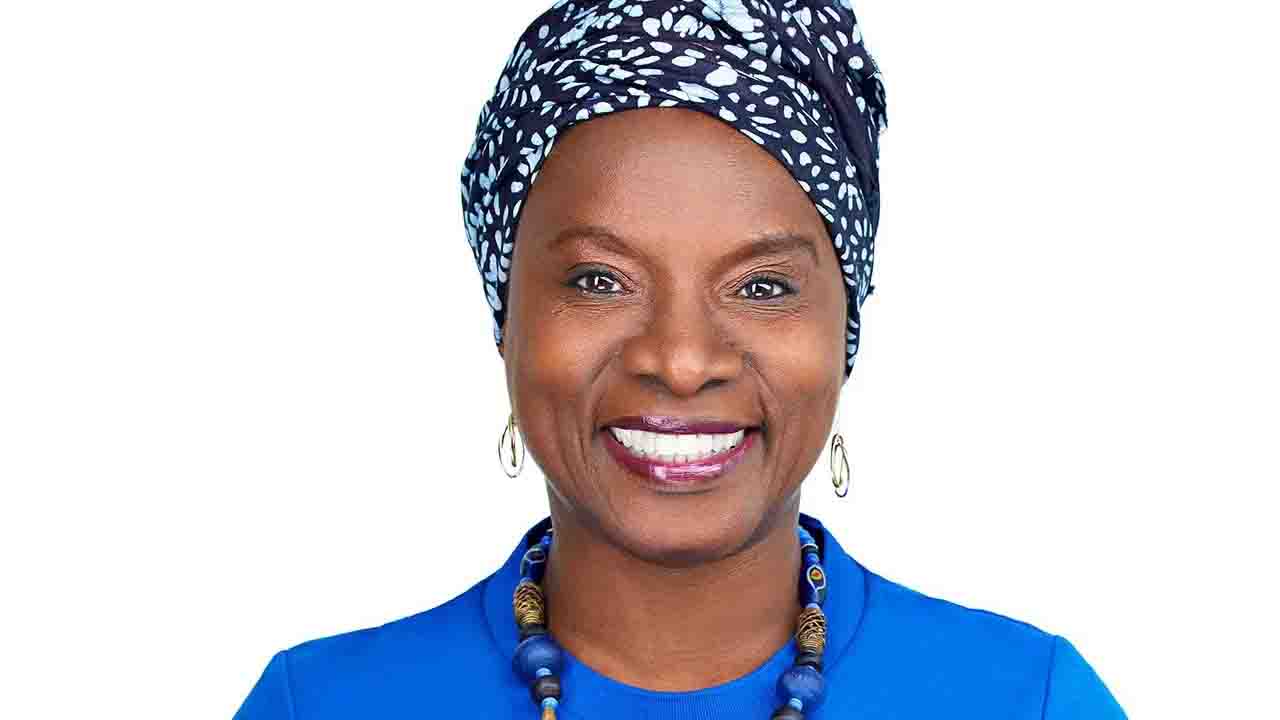

Morenike George-Taylor, is a woman who defies easy categorization. A trained lawyer, seasoned consultant, hospitality executive, and industry leader, she sits at the intersection of law, business strategy, and service excellence. As President of the Restaurants, Cafés, Bars and Clubs Association of Nigeria, Group Managing Director and CEO of the 355 Group, and an investor across several sectors of the Nigerian economy, Moren represents a new generation of African women leading complex, people-driven industries.
In this interview with Just4WomenAfrica, she reflects on her unconventional journey into hospitality, the lessons forged through crisis, and why leadership, empathy, and structure are non-negotiable in building sustainable businesses.
Choosing Hospitality: Profit, Passion, and People
Morenike’s entry into the hospitality industry was initially driven by practicality. She identified hospitality as a highly profitable sector, but along the way, discovered something deeper—a genuine passion for service.
“I realized I actually enjoyed taking care of people,” she explains. From organizing birthdays and celebrations for friends to creating memorable experiences, hospitality felt natural. This passion complemented her background in law, where she had built a strong foundation in criminal litigation, commercial law, and debt recovery before making the leap into business.
Building Through Crisis: The Birth of a Group Leader
Her first restaurant venture began in 2019, just before the COVID-19 pandemic. New to the business world, she took a ₦5 million loan to start operations—only for the Nigerian government to announce the closure of all restaurants shortly after.
Sales disappeared overnight, but obligations remained.
Rather than fold, Moren pivoted. With restaurants shut and no delivery infrastructure in place, she launched a consulting company that focused on producing and selling face masks during the pandemic. This move kept the business afloat, repaid loans, and ensured relevance during an uncertain time.
That period also became a season of intense learning. Morenike invested heavily in professional training and certifications, using the downtime to reflect on what she wished she had known when she first entered hospitality. By the end of the COVID era, it was clear—she had developed a strong aptitude for business consulting and operations strategy.
Consulting Across Nigeria’s Hospitality Landscape
Morenike’s consulting portfolio spans some of Nigeria’s most notable hospitality projects. She has worked on:
- Five Continents, Ibadan – launching five restaurants within a single location
- Golden Tulip, Lekki – a 35-room hotel
- Another 35-room hotel in Berger, alongside multiple projects across Nigeria
Her work has focused on setting standards, structuring operations, and building scalable systems. Having held several group-level leadership roles—including Group Head of Strategy and Group Managing Director—her transition into the role of Group Chief Operating Officer of the 355 Group was both natural and strategic.
Leading as a Woman in Hospitality
For Morenike one of the biggest challenges in hospitality has been gender bias.
“Some people simply do not want to work under a woman,” she says candidly.
She has encountered both overt and subtle forms of insubordination, including conflicting reports given to male leadership figures. Her solution begins at the recruitment stage.
She makes it clear from the outset: this is a woman-led organization. Anyone uncomfortable with taking instructions from a woman is filtered out early.
Beyond gender, Morenike highlights another critical barrier: hospitality requires genuine hospitality.
“You cannot successfully take care of people if you do not have an innate desire to serve,” she explains. True hospitality lies in anticipation—offering water to a guest before they ask, noticing discomfort, and responding with empathy. For those without this instinct, it must be deliberately learned.
How Law Shapes Her Leadership Style
Morenike’s legal background plays a significant role in how she runs hospitality businesses. Training in criminal litigation sharpened her ability to ask probing questions, identify inconsistencies, and manage risks—especially in an industry prone to theft and operational leakages.
Her legal training also strengthened her critical thinking skills—the ability to distinguish facts from opinions and make data-driven decisions. From handling regulatory agencies to managing customer disputes, her understanding of legal boundaries, disclaimers, and liability protects the business from unnecessary exposure.
“Sometimes you can say ‘we apologize,’ but you cannot say ‘I am sorry,’” she notes, emphasizing the importance of language and structure in customer service.
Handling Non-Paying Clients with Wisdom
When asked how she deals with clients who do not want to pay, Morenike responds simply: with wisdom.
She explains that a clear target market makes all the difference. In luxury hospitality, customers understand they are paying a premium for premium service. Problems arise when businesses fail to define their positioning clearly.
“People want all the benefits without paying,” she says. “But to keep the lights on, someone has to pay.”
Measuring Success: What Really Matters
For Morenike’s success in hospitality comes down to three key metrics:
- Service quality
- Sales and revenue
- Standards and consistency
These pillars guide decision-making across all branches and operations.
Aligning Teams Across Multiple Locations
At the heart of Morenike’s leadership philosophy is care for people. At the 355 Group, staff welfare is not an afterthought—it is strategic.
Training, information sharing, and empowerment are central. She believes leaders are responsible for equipping people to succeed. If employees fail after being fully empowered, accountability follows—but without empowerment, failure is a leadership issue.
The group’s HMO policy, which covers not only employees but their families, is one example of this approach. Moren also operates an open-door policy, allowing any staff member to reach her directly.
Quoting leadership expert John Maxwell, she says:
“People don’t care how much you know until they know how much you care.”
Food as a Tool for Tourism and Diplomacy
Morenike’s sees food as a powerful connector and a critical driver of tourism. Nigeria’s diverse cuisines—from amala to ora soup, afang, and beyond—tell stories of culture and identity.
Food, she argues, is central to gastro-diplomacy—bridging cultures and shaping perceptions. No matter the circumstances, people must eat, which makes hospitality one of the most resilient sectors of the economy.
“Even during lockdown, food delivery never stopped,” she notes.
Industry Challenges: The Labor Gap
As president of the Restaurants, Cafés, Bars and Clubs Association, Moren identifies labor shortages and skills gaps as the industry’s biggest challenge.
In the social media age, fewer people are willing to invest time in learning hands-on skills. Yet hospitality remains one of the most accessible industries, offering entry points even without formal degrees—provided individuals are willing to learn and grow.
She acknowledges progress, with more hospitality training schools emerging in Nigeria, but emphasizes that significant work remains.
What’s Next for Moren and the 355 Group
The 355 Group recently opened a new outlet at Kima Beach, with further expansions planned. Beyond physical growth, Morenike is particularly excited about upcoming solutions to the labor market challenge, which she hints will soon be unveiled.
She also takes a moment to acknowledge the strong support for women’s leadership within the 355 Group, especially from its chairman, Dr. Tola Awosika whose approach to empowering women leaders she describes as positive and progressive.
Final Thoughts
Morenike George Taylor’s journey is a testament to resilience, adaptability, and intentional leadership. From law courts to luxury dining spaces, her story underscores a powerful truth: skills are transferable, crises can become catalysts, and empathy is as important as strategy.
For African women navigating male-dominated industries, Morenike’s path offers both inspiration and a practical blueprint for leading with confidence, clarity, and care.