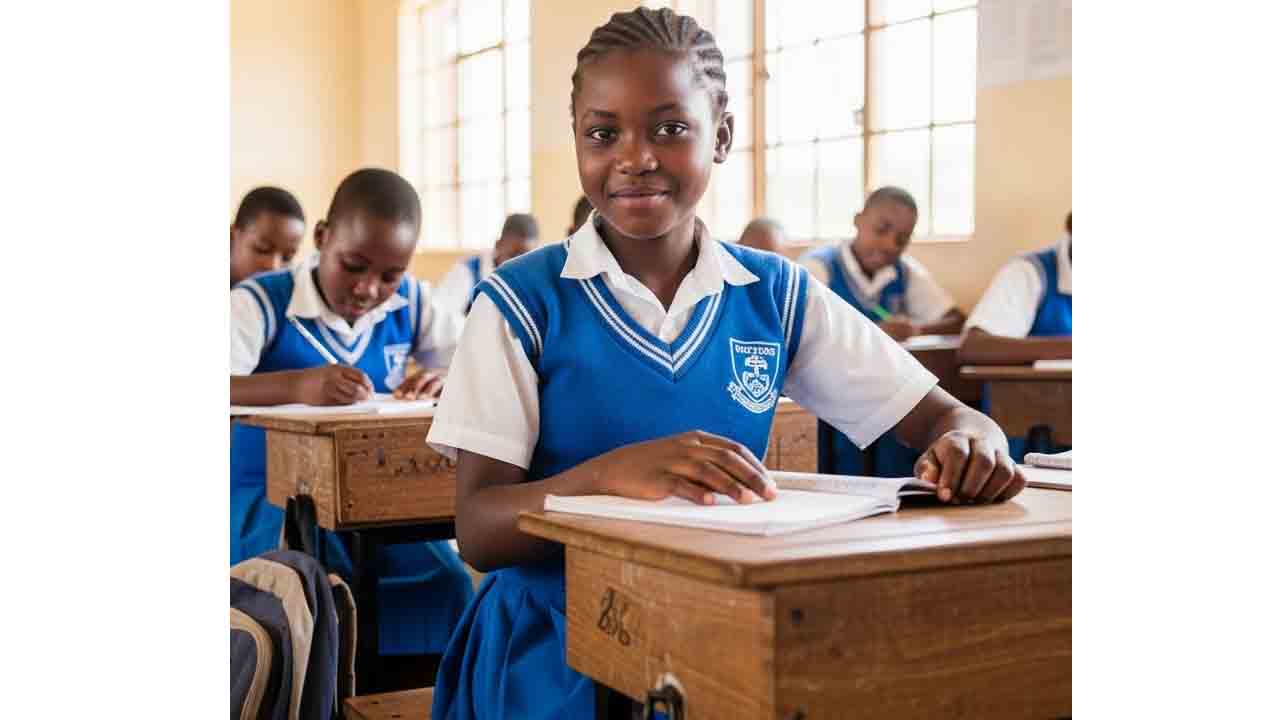

As we pray for Nigeria and hope for a more secure nation, one painful reality continues to trouble our hearts: the repeated targeting of girls in school kidnappings. From Chibok to Dapchi to the many unreported cases in rural communities, female students have become a symbol of vulnerability in a country struggling to protect its children.
But why are girls so often the targets? The answer is layered, complex, and deeply troubling.
1. Extremist Ideology Against Girls’ Education
Groups like Boko Haram have openly declared their opposition to Western-style education, especially for girls. Their name literally translates to “Western education is forbidden.”
Girls symbolize:
- empowerment,
- independence,
- progress,
- and the right to choose their own future.
To extremists, this is a threat. Attacking girls’ schools is a strategic way to push back against women’s empowerment and keep communities under fear.
2. Higher Ransom Value and Global Attention
Criminal gangs have learned that kidnapping female students attracts:
- quicker negotiations
- higher ransom payments
- pressure from parents, NGOs, and international organizations
- widespread media coverage
Sadly, this makes girls “valuable targets” in the criminal economy of kidnappings.
3. Schools Are Soft and Poorly Secured Targets
In many parts of Nigeria, especially rural areas, schools lack:
- proper fencing
- armed guards
- rapid police response
- security infrastructure
Dormitories full of sleeping girls are easy for armed groups to invade. The weakness of the system becomes an opportunity for criminals.
4. Girls Are Exploited for Forced Marriage and Labor
Kidnapped girls are sometimes forced into:
- marriage
- domestic servitude
- sexual exploitation
- long-term captivity
This horrific exploitation makes girls a target not only for ransom, but also for gender-based violence.
5. Breaking Community Morale
When girls are abducted, the emotional impact is devastating:
- Families are shattered
- Communities feel helpless
- Schools shut down
- Parents withdraw their daughters from education
This psychological damage is intentional — a strategy used to weaken communities and prevent progress.
6. To Suppress Women’s Future Power
Educated girls become:
- leaders
- mothers who raise educated children
- financially independent women
- voices for justice
Targeting them is a deliberate attempt to silence future generations of women who could transform society.
What Must Be Done
As we pray, we must also act by calling for:
- stronger school security
- community-based safety networks
- policies that prioritize girls’ protection
- accountability for perpetrators
- investment in rural education infrastructure
Nigeria cannot rise if its daughters are not safe.
Conclusion
As we pray for Nigeria, let us remember the girls whose dreams have been interrupted by violence. Let us speak up, demand better, and support every effort to make schools safe again.
Protecting girls is not just a security issue — it is a moral duty and a fight for the soul of our nation.