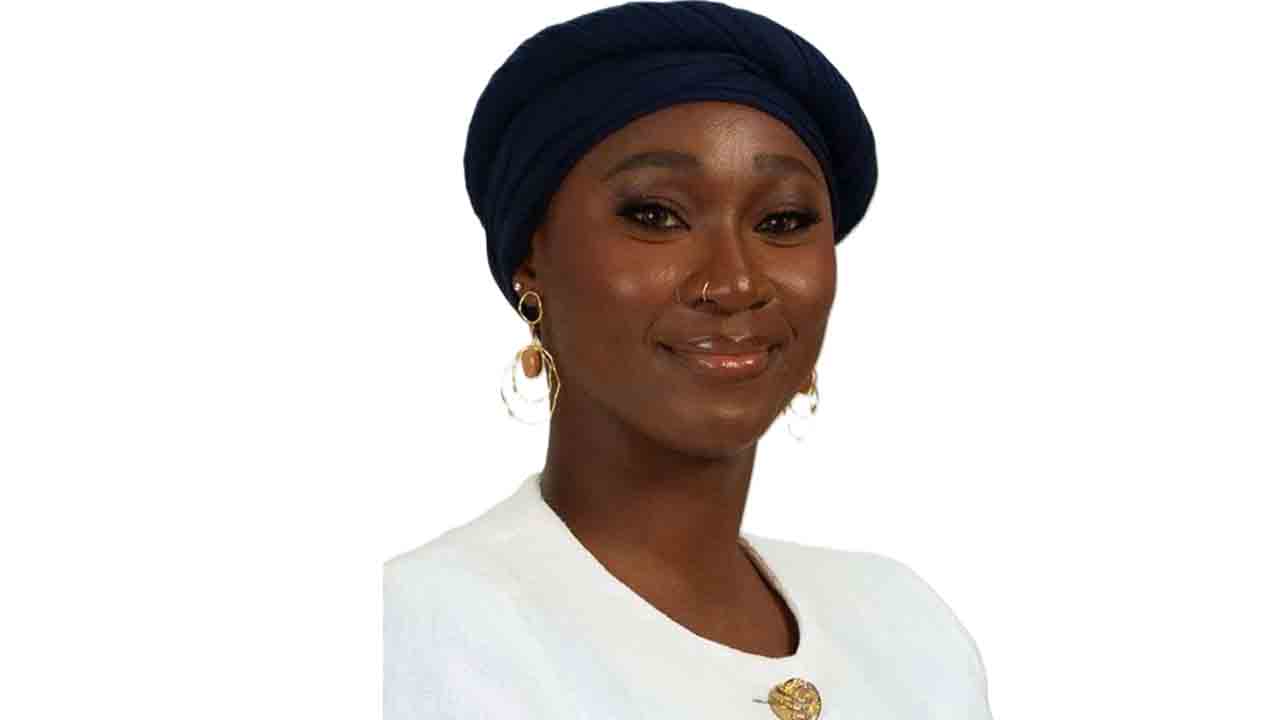
In a country where access to affordable healthcare remains a challenge, especially for those in the informal sector, Dr. Folake Kofo-Idowu is breaking barriers and reimagining primary healthcare delivery through innovation and compassion.
A medical doctor trained at the Lagos State University, Dr. Folake is the founder of Iyewo, a health startup dedicated to expanding access to affordable primary healthcare using a hybrid model of telemedicine and mobile clinics. Her mission is simple but powerful — to ensure that every Nigerian, regardless of income level or location, has access to quality healthcare services at a cost they can afford.
The Inspiration Behind Iyewo
When asked by Just4WomenAfrica what inspired her to start Iyewo, Dr. Folake said her vision was to build a sustainable platform that provides comprehensive healthcare for everyone.
“I wanted to create something that allows people to access basic primary healthcare at a cheaper and more affordable price. Many people delay care because they think it’s expensive or complicated — Iyewo is here to change that,” she said.
Her inspiration stems from seeing firsthand how people in underserved communities struggle to get medical attention, often traveling long distances or relying on unqualified practitioners for care.
The Healthcare Context in Nigeria
Nigeria’s healthcare system faces significant challenges that highlight the importance of innovations like Iyewo:
- The country has over 33,000 primary healthcare centres (PHCs), but only about 20% of them are fully functional, according to the Federal Ministry of Health’s 2024 State of Health of the Nation Report.
- More than 70% of Nigerians rely on primary healthcare centres for medical attention, yet these facilities often lack essential staff, equipment, or medication.
- Around 70% of healthcare costs in Nigeria are paid out-of-pocket, leaving millions unable to afford treatment when they need it.
- Health insurance coverage remains low, with only about 18.7 million Nigerians — less than 10% of the population — enrolled in any health insurance scheme.
- In maternal and child health, only 43.3% of Nigerian women deliver in a healthcare facility, underscoring persistent gaps in access and affordability.
It’s within this reality that Iyewo operates — offering an affordable, accessible alternative for communities that have long been excluded from quality healthcare.
How the Iyewo Model Works
At the heart of Iyewo’s approach is a “brick and click” hybrid model — a blend of both physical and digital health services.
“We are not fully digital or traditional,” Dr. Folake explained. “Because we deal with the informal sector, not everyone has access to a mobile phone or is tech-savvy. For instance, many of our clients are market women. Our Iyewo support workers visit them weekly for medical check-ups and use telemedicine to escalate care to a doctor when needed.”
This model allows Iyewo to maintain a human connection while leveraging technology to provide faster, more accurate diagnoses and consultations. It bridges the gap between modern healthcare and communities that have been historically underserved.
Accessing Iyewo’s Services
Accessing Iyewo depends on the user segment.
For market women, Iyewo reaches them directly through its community health agents and support workers who move around markets regularly. These women can also register through their market leaders, who play a crucial role in mobilizing their communities.
For SMEs and individuals in urban areas, Iyewo can be accessed through its website and mobile app, allowing users to book consultations, manage appointments, and access health information with ease.
Empowering Users with the Health Savings Wallet
One of Iyewo’s standout innovations is its Health Savings Wallet, designed especially for self-employed individuals and people without a fixed monthly income.
“The health savings wallet allows clients to plan ahead for their healthcare needs,” Dr. Folake explained. “They can save daily, weekly, or monthly — any amount they choose — towards their next medical visit.”
This feature not only encourages a culture of health planning but also removes the financial shock that often prevents people from seeking medical care when they need it.
Building Trust in Digital Health
Trust remains one of the biggest challenges in digital health across Africa, and Iyewo has faced its share.
“People are still very traditional. Many still prefer face-to-face consultations and are just getting used to the idea that you don’t always need to go to the hospital to see a doctor,” she noted.
Dr. Folake emphasized that treating people with respect has been key to building trust and growing Iyewo’s patient base. “When people feel respected and valued, they’re more open to trying new things — including technology,” she added.
Lessons as a Female Founder in Health Tech
As a woman navigating the health tech space, Dr. Folake has learned several valuable lessons.
“Start small. Do your research on what you want to go into. Look at players who are already in the market, study what they do well and what they don’t — and then get going,” she advised.
Her journey is a testament to resilience and innovation — proving that women can lead groundbreaking change in sectors traditionally dominated by men.
The Future of Iyewo
Looking ahead, Dr. Folake envisions a primary healthcare network that connects seamlessly to secondary hospitals across Nigeria and West Africa.
“In the next five years, we want to have a strong footprint across Nigeria and beyond — building a health ecosystem that truly serves people where they are,” she said confidently.
Conclusion
Through Iyewo, Dr. Folake Kofo-Idowu is redefining how healthcare reaches everyday Nigerians — especially women in markets, small business owners, and low-income earners. Her work highlights the power of technology, empathy, and community-driven innovation in creating a healthier Africa.
As she continues to expand Iyewo’s reach, one thing remains constant: her unwavering belief that quality healthcare is not a privilege — it’s a right.