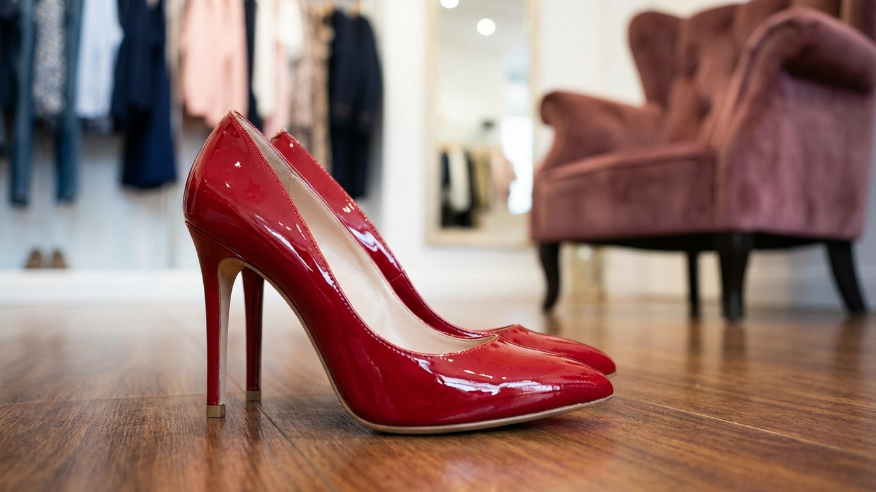

High heels are often seen as a symbol of style, confidence, and elegance. From boardroom meetings to evening events, heels can transform an outfit and give a boost to posture and presence. But while the aesthetic appeal is undeniable, wearing heels regularly comes with several hidden costs for your body. Understanding these side effects can help women make informed choices about how often and how high they wear them.
1. Foot Pain and Deformities
The most immediate and noticeable impact of high heels is foot pain. Narrow toe boxes and elevated arches place excessive pressure on the forefoot, leading to conditions such as bunions, corns, calluses, and hammer toes. Over time, the shape of the foot may change permanently, causing discomfort even when not wearing heels.
2. Altered Posture and Spine Strain
Heels shift your center of gravity forward, forcing your lower back to compensate. This can lead to lumbar spine strain, lower back pain, and even chronic posture problems. The knees and hips also bear more pressure, which can increase the risk of joint pain and osteoarthritis in the long term.
3. Risk of Sprains and Injuries
Wearing heels increases the likelihood of ankle sprains and falls. High heels reduce stability, especially on uneven surfaces or stairs. Even minor missteps can result in sprains, fractures, or long-term ligament damage.
4. Calf and Achilles Tendon Issues
Elevated heels shorten the Achilles tendon and calf muscles over time. This can cause stiffness, cramping, and discomfort when wearing flat shoes. In some cases, prolonged heel use can even contribute to tendon injuries or chronic tightness.
5. Circulation Problems
High heels compress the feet and restrict natural movement, which can impede circulation. Over time, this may lead to swelling, varicose veins, or a feeling of heaviness in the legs. For those who already have circulatory issues, heels can exacerbate the problem.
6. Nerve Compression
Narrow, pointed heels can compress nerves in the toes and forefoot, leading to numbness, tingling, or burning sensations. Some women develop a condition called Morton’s neuroma, which can require medical intervention if symptoms persist.
Tips to Minimize Side Effects
- Limit Heel Height: Opt for shoes below 2–3 inches for daily wear.
- Alternate with Flats: Give your feet time to recover by alternating heel and flat shoes.
- Choose Supportive Shoes: Look for cushioned insoles, wider toe boxes, and stable heels.
- Stretch Regularly: Stretch calves, ankles, and feet to reduce tension.
- Listen to Your Body: Persistent pain is a signal don’t ignore it.
Final Thought
High heels can be empowering and stylish, but wearing them frequently comes with consequences that may not be visible immediately. Like any fashion choice, moderation is key. By being mindful of the risks and taking preventive measures, women can enjoy the elegance of heels without sacrificing long-term health.


