

Awura Abena Agyeman , co-founder and CEO of Wear Ghana under the Republic of Africa umbrella, is redefining African fashion. Speaking with Just4WomenAfrica, she shared her journey of leaving the corporate world to pursue a dream of creating fashion that celebrates African culture globally.
From Corporate Comfort to Entrepreneurial Courage
Araba admits her leap into entrepreneurship was fueled by a mix of naivety and passion. Her journey began during her national service with New York University’s Study Abroad program in Ghana. There, she noticed a striking trend: students from around the world left with bags full of locally-made African clothing.
“It made me wonder why the rest of the world is so interested in something we have right here,” she says. This realization sparked her desire to tap into the potential of African fashion, while pursuing personal fulfillment beyond the corporate world.
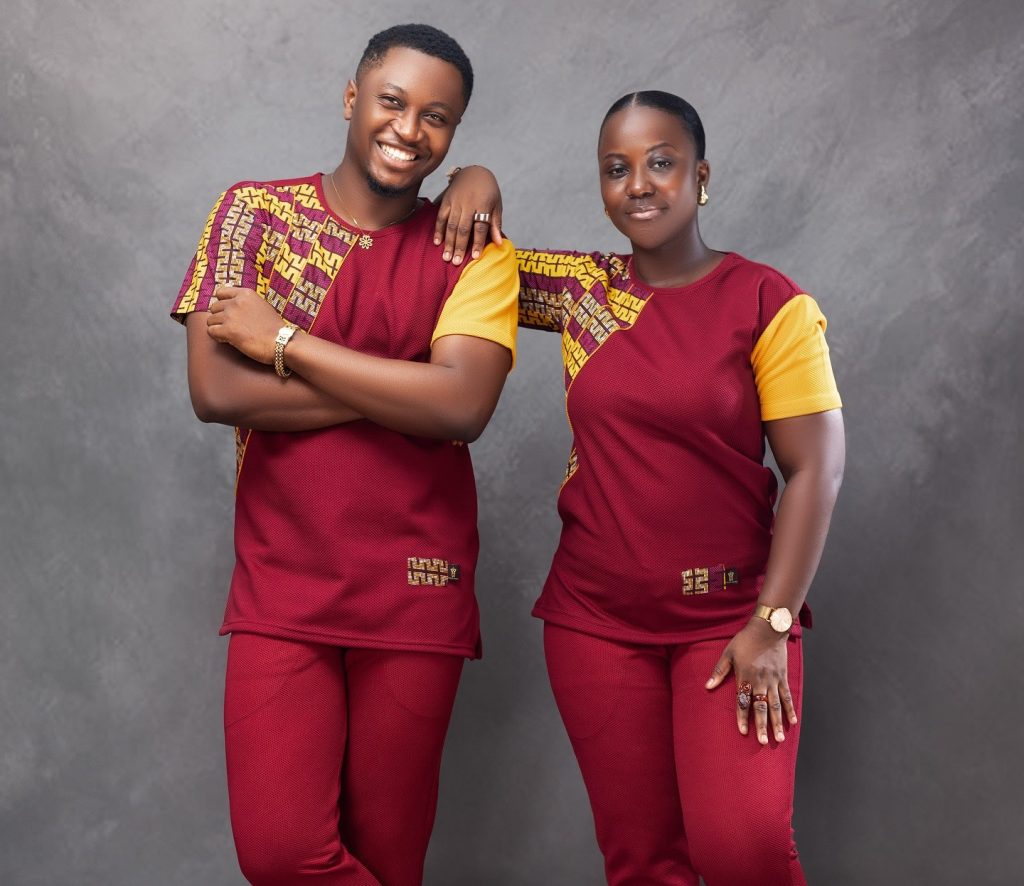
Her transition from banking to fashion wasn’t simple, but the weekends spent designing for clients revealed a deeper sense of purpose and joy, which ultimately led her to build a brand that resonates globally.
Wearable Monuments of African Excellence
Araba calls her designs “wearable monuments of African excellence.”
“We want people to wear clothing that tells the story of African excellence anywhere in the world,” she explains. Each piece carries a subtle imprint of Africa, ensuring that even in cities like Tokyo, someone can identify the outfit as uniquely African. For Araba, this is not just about fashion—it’s about building a national and continental brand identity.
Her mission aligns with a broader vision: to make “Made in Africa” synonymous with quality, pride, and global relevance.
The Giggy Collection: A Cultural Phenomenon
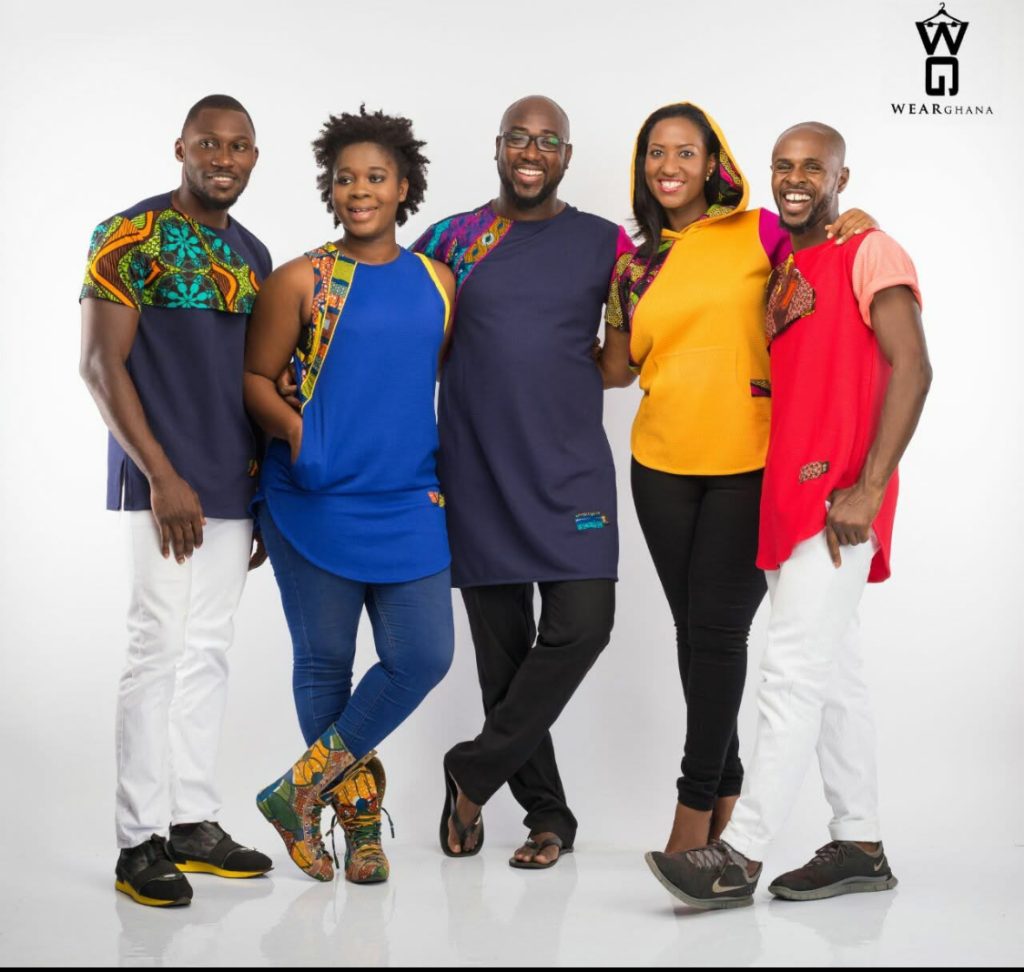
Released in 2016, the G Collection, affectionately known as the Giggy, became Where Ghana’s bestselling line. Inspired by the desire to offer an African alternative to the polo shirt, the collection combined subtle prints with classic designs, making it wearable anywhere.
The Giggy resonated not only for its style but also for the community it fostered. Events like Freestyle Fridays and World Giggy Day helped customers connect online and offline, creating a culture around the outfit that transcended fashion.
“People wear the Giggy and instantly connect, even with strangers,” Araba recalls. From corporate executives to children, the collection has sparked countless heartwarming stories, demonstrating its role as more than just clothing—it’s a movement.
Evolution and the Future
After years of success, Araba has decided to retire the Giggy to focus on corporate wear and new innovations. She emphasizes that the move is about repositioning the brand, not abandoning its legacy.
“We want to change how Africa shows up to work,” she says, aiming to create stylish, high-quality uniforms across industries while maintaining the signature African identity.
Challenges and Lessons Learned
Building an African-rooted fashion brand hasn’t been without obstacles. Araba highlights challenges around perceptions of quality, production inefficiencies, and the dominance of secondhand and imported clothing.
“Production on the continent is tough,” she notes. Infrastructure, education, and cultural factors all play a role in shaping the business landscape. Yet, she remains optimistic, drawing inspiration from global brands like Nike, whose founder faced similar hurdles.
A key lesson she’s learned is that business is a team sport. Delegation, building a strong team, and empowering talent are central to sustaining growth and avoiding burnout.
“It’s not about me—it’s about the team,” Araba emphasizes, reflecting on her journey from hands-on startup founder to leader of a growing global brand.
A Call for Talent
Looking forward, Araba says the biggest support Where Ghana needs is world-class talent. From interns to experienced professionals, she seeks individuals aligned with the vision of taking African fashion global, helping with distribution, logistics, and innovative collaborations.
“When you put the right people on the bus, they decide where to drive it,” she shares. Her focus now is ensuring Republic of Africa attracts and nurtures the best talent, empowering the continent’s creative industries to thrive.
Araba Ajiman’s journey is a testament to vision, courage, and persistence. From humble beginnings designing for a few clients to shaping a continental fashion movement, she is redefining what it means for Africa to be celebrated globally. For Araba, African fashion is more than clothing—it’s a story, a culture, and a legacy in motion.


