
Across Africa, women are celebrated for their strength. They are called resilient, hardworking, and enduring. From boardrooms to marketplaces, from farms to parliaments, African women carry families, businesses, and communities on their backs.
But beneath the praise and applause lie silent struggles many women never speak about.
Not because they are weak.
Not because they are ungrateful.
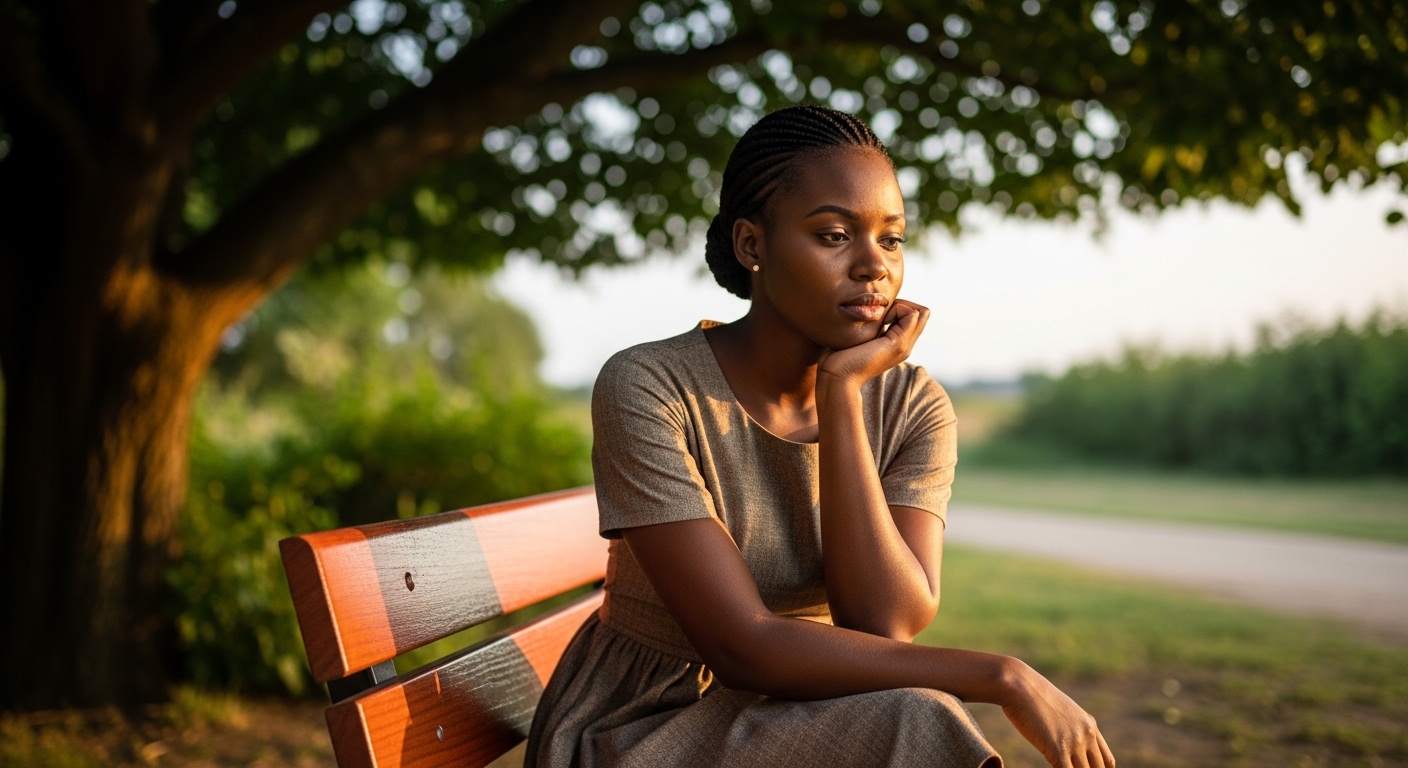
But because society has trained them to endure quietly.
Here are some of the silent struggles African women rarely talk about.
1. The Pressure to “Hold It All Together”
In many African homes, a woman is expected to be everything at once — caregiver, breadwinner, wife, daughter, nurturer, emotional support system.
Even high-achieving women often feel pressure to “prove” they can succeed professionally without neglecting home responsibilities. The result? Exhaustion.
Behind the polished LinkedIn profile is a woman battling burnout.
Behind the smiling mother is someone who hasn’t rested in years.
Yet she keeps going — because slowing down feels like failure.
2. Mental Health Battles Hidden Behind Strength
Mental health conversations are growing, but stigma still runs deep across many African societies.
Women dealing with anxiety, depression, grief, or trauma are often told:
- “Pray about it.”
- “Be strong.”
- “Other people have it worse.”
Few admit they are overwhelmed. Fewer seek therapy.
Organizations like FriendnPal are helping change the narrative by making support more accessible, but the cultural shift is still ongoing.
Many women are silently carrying emotional pain while functioning at full capacity.
3. Financial Dependence and Hidden Economic Struggles
Even educated, working women can struggle financially — especially single mothers, widows, or women in informal sectors.
Some stay in unhealthy marriages because they lack financial independence.
Others run small businesses but carry debt quietly.
Across markets from Accra to Lagos to Nairobi, countless women hustle daily without safety nets, insurance, or access to capital.
Pride often keeps them from admitting they are struggling.
4. Silent Domestic Abuse
Domestic violence remains underreported across Africa.
Many women endure emotional, physical, or financial abuse in silence because:
- Divorce carries stigma.
- Families encourage endurance.
- Religious communities preach submission without safety.
The shame often outweighs the pain — so they remain silent.
5. Infertility and Reproductive Health Shame
In many African cultures, a woman’s worth is still tied to motherhood.
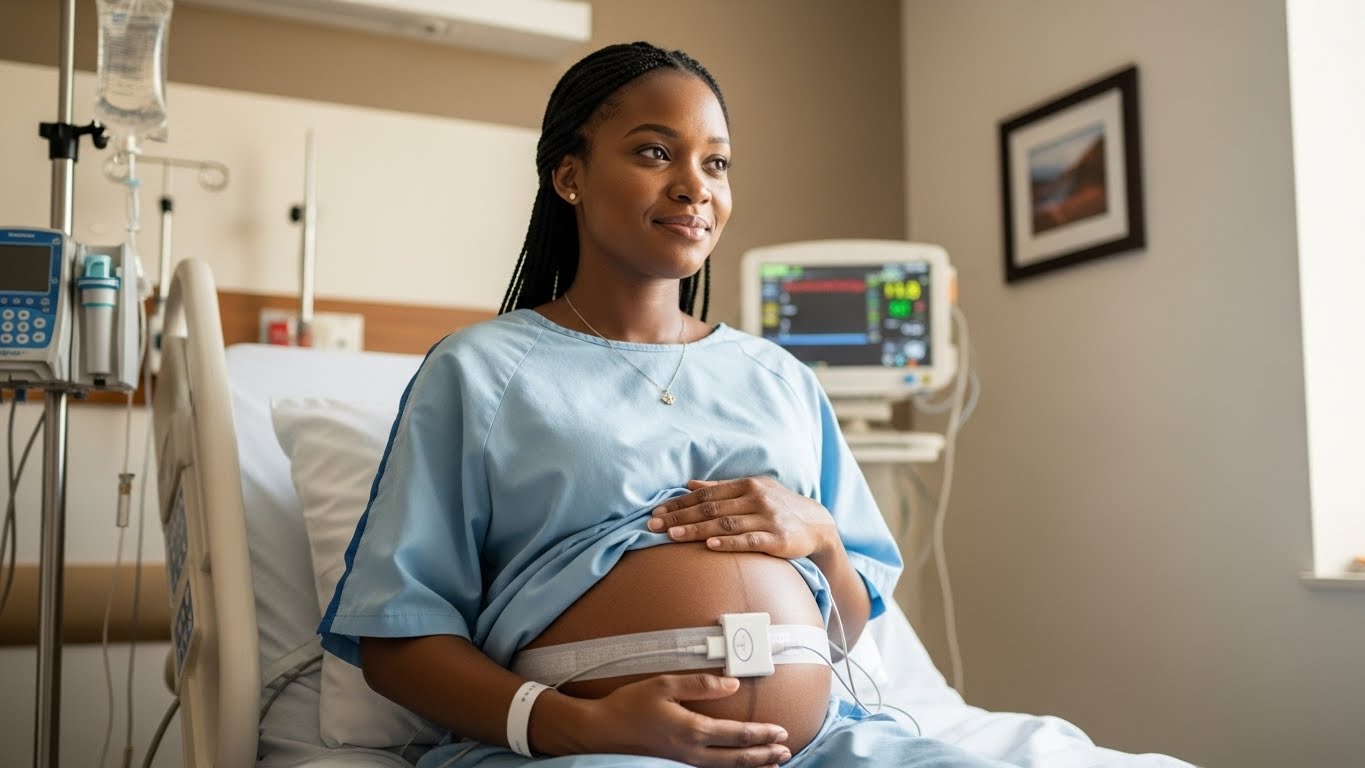
Women facing infertility, miscarriages, fibroids, or complicated pregnancies often suffer quietly. They endure intrusive questions:
- “When are you having children?”
- “Is everything okay?”
Few talk about the grief.
Fewer talk about the shame.
6. The Loneliness of Leadership
As more African women rise into leadership, another silent struggle emerges — isolation.
Female founders, politicians, and executives often feel they must be twice as competent to be taken seriously.
Leaders like Ellen Johnson Sirleaf and Ngozi Okonjo-Iweala broke barriers, but many women at mid-level leadership still face subtle bias, exclusion from networks, and constant scrutiny.
Success can be lonely.
7. The Burden of Being “Strong”
Perhaps the most dangerous compliment African women receive is:
“You are so strong.”
Strength becomes an expectation.
Vulnerability becomes a luxury.
But strength without support becomes suffering.
Why These Conversations Matter
Silence protects no one.
When women begin to speak:
- Policies change.
- Communities shift.
- Support systems grow.
- Young girls see healthier models of womanhood.
Across Africa, movements are rising. Platforms like Just4WomenAfrica exist to amplify these truths — not just the success stories, but the honest ones.
Because empowerment is not just about celebration.
It is also about confrontation.
And healing.
A New Narrative
African women are strong — yes.
But they are also human.
They deserve:
- Rest without guilt.
- Love without violence.
- Success without isolation.
- Support without shame.
The silent struggles must become shared conversations.
And when they do, strength will no longer mean suffering in silence — it will mean community, healing, and power.
At Just4WomenAfrica, we don’t just amplify voices. We make space for the truths women are often afraid to say out loud.