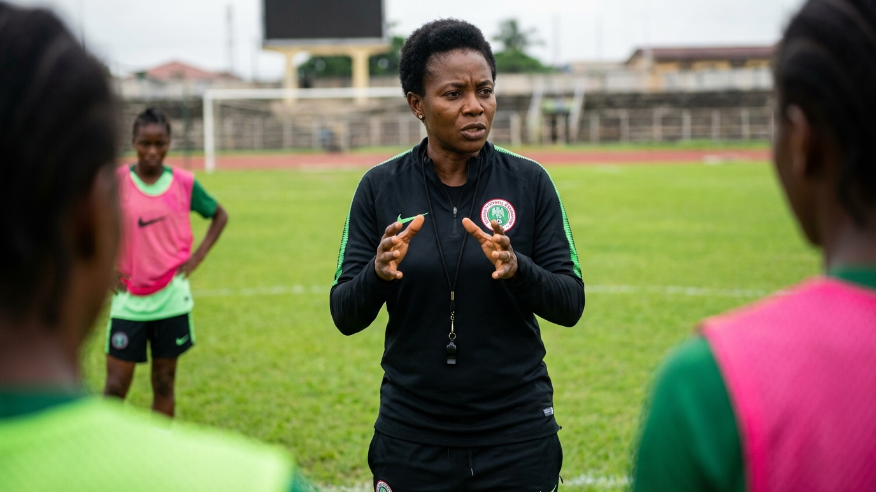

In a landmark move for gender inclusion in sports, FIFA has introduced a new regulation requiring women’s teams to include female coaches on their technical bench. The decision marks a significant shift in global football governance and sends a strong message about the importance of representation in the women’s game.
What the New Rule Says
Under the new policy, teams participating in FIFA women’s competitions must have:
- At least one female head coach or assistant coach, and
- A minimum number of women included in the team’s technical staff
This rule will begin to take effect in upcoming tournaments from 2026, including youth and senior-level competitions.
Why This Matters
Despite the rapid growth of women’s football worldwide, leadership roles especially coaching have remained largely dominated by men. During the 2023 FIFA Women’s World Cup, only a small number of teams were led by female head coaches.
This imbalance has raised concerns for years. How can a sport built for women not consistently be led by women?
FIFA’s new regulation is an attempt to address this gap not by excluding men, but by ensuring women have a seat at the table.
Creating Opportunities for Women
For many aspiring female coaches, this decision could be life-changing.
Across Africa, there are countless women with deep knowledge of football who struggle to break into coaching due to limited opportunities, lack of visibility, or systemic bias. This new rule could:
- Open doors for more women to enter coaching
- Encourage investment in training and development for female coaches
- Inspire young girls to see leadership roles as attainable
It also pushes football associations and clubs to be more intentional about inclusion, rather than leaving it to chance.
A Step Toward Equality, Not Exclusion
It is important to clarify that this rule does not ban male coaches from women’s football. Instead, it ensures that women are represented in leadership roles within their own sport.
This is about balance not replacement.
By creating space for women alongside men, FIFA is acknowledging that diversity in leadership leads to better decision-making, stronger teams, and a more inclusive sporting environment.
What This Means for Africa
For African nations, this policy presents both an opportunity and a challenge.
On one hand, it could accelerate the development of female coaching talent across the continent. On the other, it highlights the urgent need for:
- Coaching education programs for women
- Mentorship and support systems
- Institutional commitment from football associations
Countries that invest early in developing female coaches will not only comply with the rule but also gain a competitive advantage.
Beyond the Pitch
This move by FIFA is about more than football. It reflects a broader global conversation about women in leadership—whether in sports, business, politics, or education.
Representation matters. When women lead, they bring perspectives, experiences, and approaches that enrich any field.
Final Thoughts
FIFA’s new coaching rule is a bold and necessary step toward reshaping women’s football. It challenges long-standing norms and creates space for women to lead, influence, and inspire from the sidelines.
For Just4WomenAfrica, this is more than a sports story it is a reminder that progress often comes from intentional decisions. And when systems change, opportunities follow.
The question now is: will institutions, especially in Africa, rise to meet this moment?


