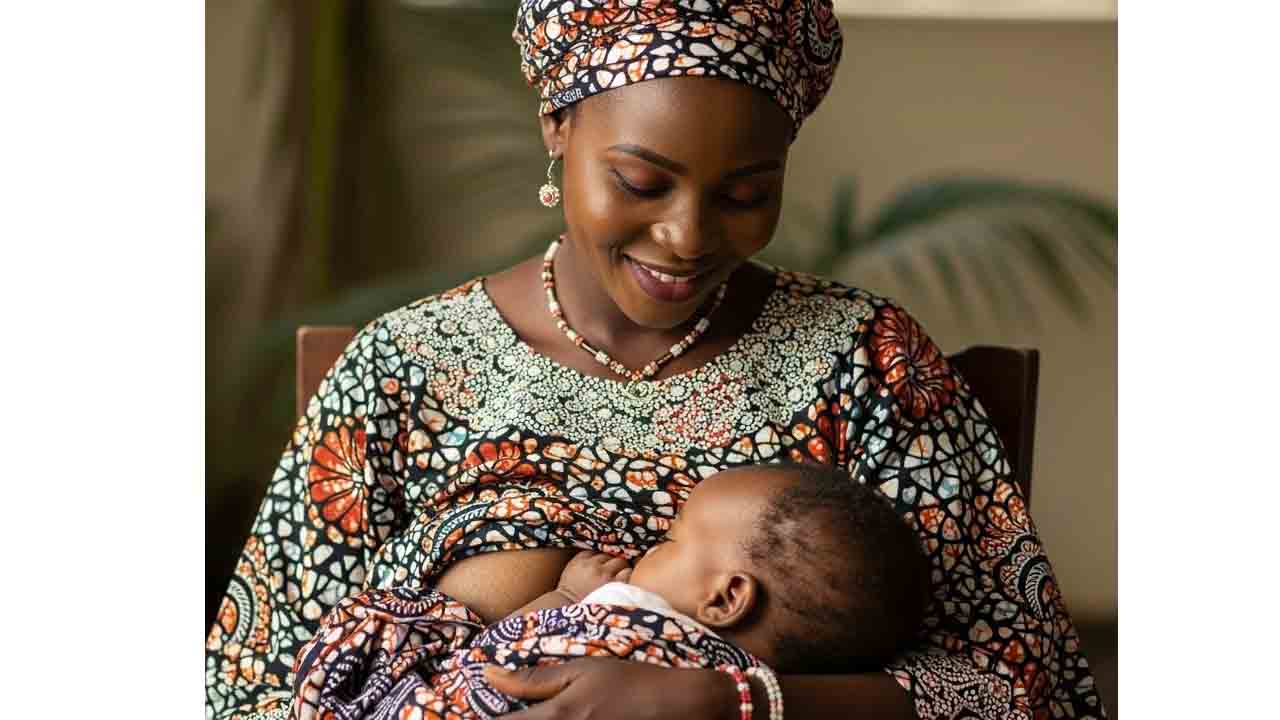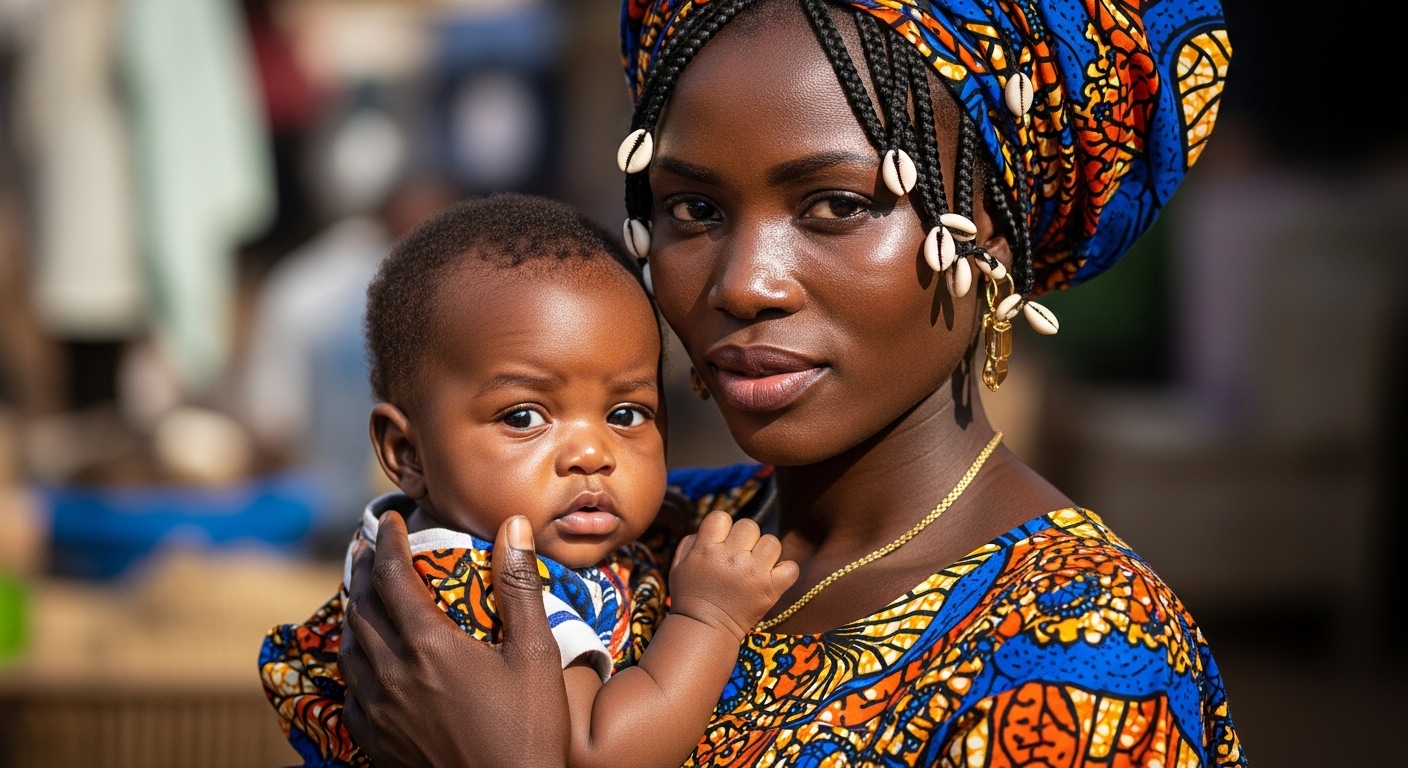

Across many African societies, motherhood is not just a personal desire — it is often seen as a woman’s identity, validation, and social security. For countless women, giving birth is celebrated as a rite of passage into “complete womanhood.” But beneath the joy of childbirth lies a painful reality: some women go to extreme, heartbreaking lengths to become mothers — and in rare but disturbing cases, some even steal newborn babies.
This is not a story of cruelty alone. It is a story of pressure, stigma, silence, and broken systems.
1. The Cultural Weight of Motherhood
In many African communities, marriage and motherhood are deeply intertwined. A woman who struggles with infertility may face:
- Constant questioning from family and friends
- Blame from in-laws
- Emotional neglect from her husband
- Social stigma and isolation
In some cases, infertility is automatically assumed to be the woman’s fault — even when medical evidence shows that male-factor infertility is equally common.
The pressure can be overwhelming. Some women hide their struggles. Some pretend to be pregnant. Some move from hospital to hospital seeking miracles. Others fall victim to exploitation in so-called “miracle baby” centers or illegal maternity homes.
2. The Rise of “Baby Factories” and Exploitation
In countries like Nigeria, authorities have uncovered illegal “baby factories” where vulnerable young girls are held and forced to give birth so their babies can be sold. These babies are often trafficked to couples desperate for children.
This dark industry thrives on two painful realities:
- The desperation of women who want children at any cost
- The poverty and vulnerability of young girls
It is a tragic intersection of infertility stigma and economic hardship.
3. Why Would a Woman Steal a Newborn?
Cases of newborn theft occasionally make headlines across African countries. While every case is unique, common underlying factors include:
a) Intense Social Pressure
Some women fake pregnancies to avoid shame. When the expected “delivery date” arrives, panic sets in. In desperation, they may attempt to steal a baby to sustain the lie.
b) Mental Health Struggles
Conditions such as depression, trauma, or psychosis can distort judgment. In many African societies, mental health support is limited or stigmatized. Platforms like FriendnPal are working to close that gap by offering accessible mental health support, but the need is still enormous.
c) Fear of Losing a Marriage
In some marriages, childlessness is seen as grounds for divorce or for the husband taking another wife. The fear of abandonment can push vulnerable women into irrational decisions.
4. The Silence Around Infertility
Infertility affects millions of couples across Africa. Yet it remains whispered about rather than openly discussed.
Many women:
- Avoid medical testing due to cost
- Seek spiritual or traditional remedies first
- Are discouraged from having their husbands tested
The silence breeds shame. And shame breeds secrecy.
5. The Emotional Toll
Imagine attending baby showers while silently grieving.
Imagine being mocked by relatives during family gatherings.
Imagine feeling like your worth as a woman is reduced to your womb.
For some women, the psychological weight becomes unbearable.
This does not justify criminal actions like child theft — but it helps us understand the desperation behind them.
6. What Needs to Change
If we are to reduce these tragic situations, Africa must:
- Normalize conversations about infertility
- Encourage joint fertility testing for couples
- Provide affordable reproductive healthcare
- Strengthen mental health support systems
- Stop defining womanhood solely by motherhood
A woman is not incomplete because she cannot conceive.
7. A Compassionate but Firm Response
Baby theft is a crime. Trafficking is evil. Exploiting vulnerable girls is inhumane.
But behind some of these crimes are women who were drowning in shame, silence, and societal pressure.
If we address the root causes — stigma, poverty, lack of healthcare, and mental health neglect — we can prevent the desperation that leads to such tragic choices.
Final Thoughts
Motherhood is beautiful. But it should never become a prison of expectation.
Until African societies begin to value women beyond their reproductive ability, some will continue to suffer in silence — and a few may continue to make devastating decisions.
The solution is not just punishment. It is empathy, education, and systemic change.