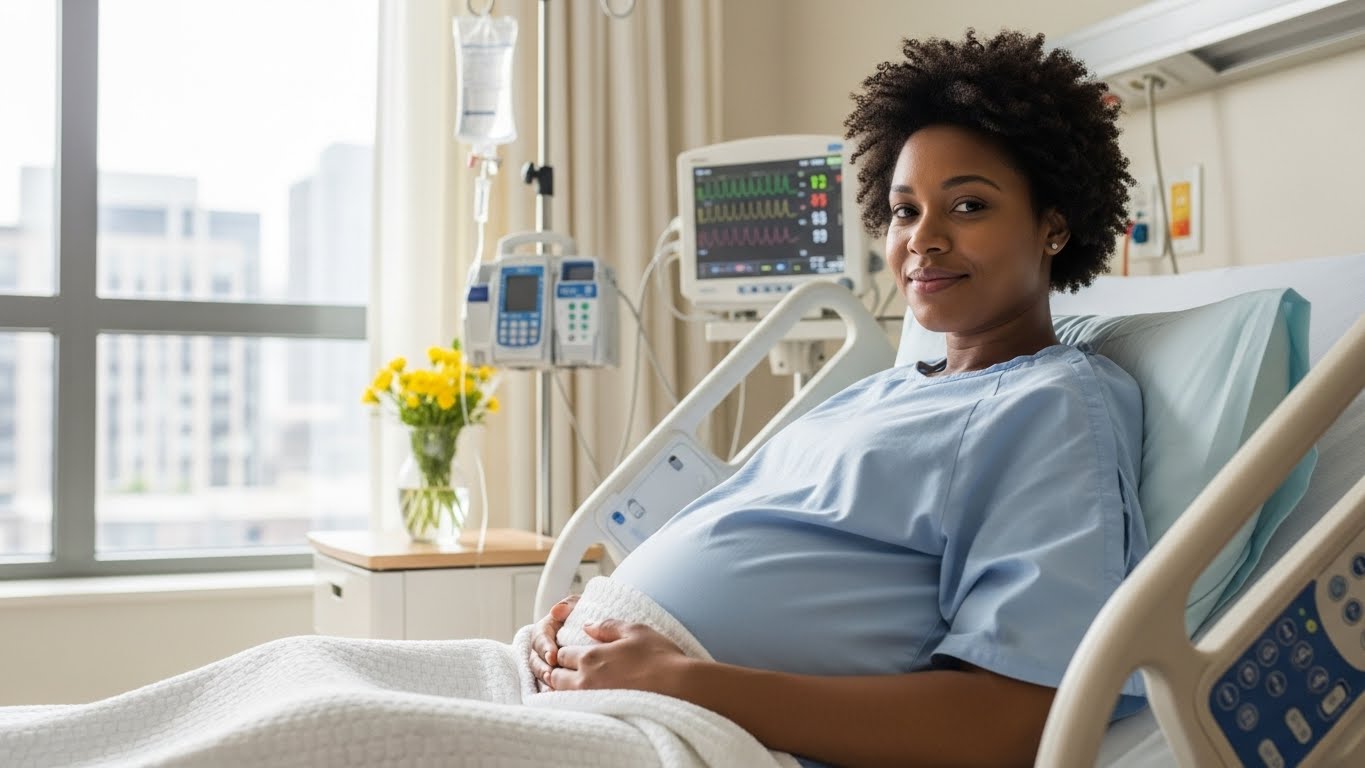

Across Africa, conversations around women’s health often focus on reproductive care, maternal health, and chronic conditions like diabetes and hypertension. However, there are other less common but serious conditions that deserve attention one of them is Guillain-Barré syndrome (GBS). Though rare, its sudden onset and potentially severe impact make awareness critically important, especially for women who often serve as caregivers in their families and communities.
What is Guillain-Barré Syndrome?
Guillain-Barré syndrome is a neurological disorder in which the body’s immune system mistakenly attacks the peripheral nerves. These nerves control muscle movement and transmit sensations like pain, temperature, and touch. When they are damaged, communication between the brain and body is disrupted, leading to weakness and, in severe cases, paralysis.
How Does It Start?
GBS often begins subtly. A woman may notice tingling sensations in her feet or hands something that can easily be ignored or mistaken for fatigue. However, within days or weeks, this can progress to muscle weakness, usually starting in the legs and moving upward.
In many cases, GBS appears after a recent illness such as:
- A respiratory infection (like the flu)
- A stomach infection
- Viral illnesses
This connection can make it difficult to recognize early, as the initial infection may seem unrelated.
Symptoms to Watch Out For
Early recognition can save lives. Some key symptoms include:
- Persistent tingling or numbness
- Weakness in the legs that spreads to the upper body
- Difficulty walking or climbing stairs
- Loss of reflexes
- Severe cases: difficulty breathing or speaking
Women, especially those balancing busy schedules, may dismiss these symptoms. But when weakness progresses quickly, it is crucial to seek medical attention immediately.
Why This Matters for Women
Women are often at the center of family care. When a woman falls ill, the ripple effects can impact children, elderly parents, and even household income. Understanding conditions like GBS empowers women to:
- Recognize symptoms early
- Advocate for proper medical care
- Support others who may be affected
Additionally, in some African communities where access to healthcare may be limited, awareness becomes even more critical.
Is There Treatment?
Yes. While Guillain-Barré syndrome can be serious, it is treatable especially when caught early. Most patients require hospitalization, where treatments may include:
- Intravenous immunoglobulin (IVIG) therapy
- Plasma exchange (a process that removes harmful antibodies from the blood)
Recovery can take weeks or months, and physical therapy is often needed to regain strength and mobility.
Recovery and Hope
The good news is that many people recover fully or with minimal long-term effects. However, recovery can be slow and requires patience, support, and proper medical care.
For women, this period may be emotionally and physically challenging. Community support, family involvement, and access to rehabilitation services play a key role in healing.
Final Thoughts
Guillain-Barré syndrome may be rare, but its impact is real. By raising awareness, we equip women with the knowledge to act quickly, seek help, and support others.
At Just4WomenAfrica, we believe that informed women are empowered women. Health awareness is not just about prevention it’s about recognizing the unexpected and responding with confidence and care.
If you or someone you know experiences sudden weakness or unusual nerve-related symptoms, don’t ignore it. Early action could make all the difference.