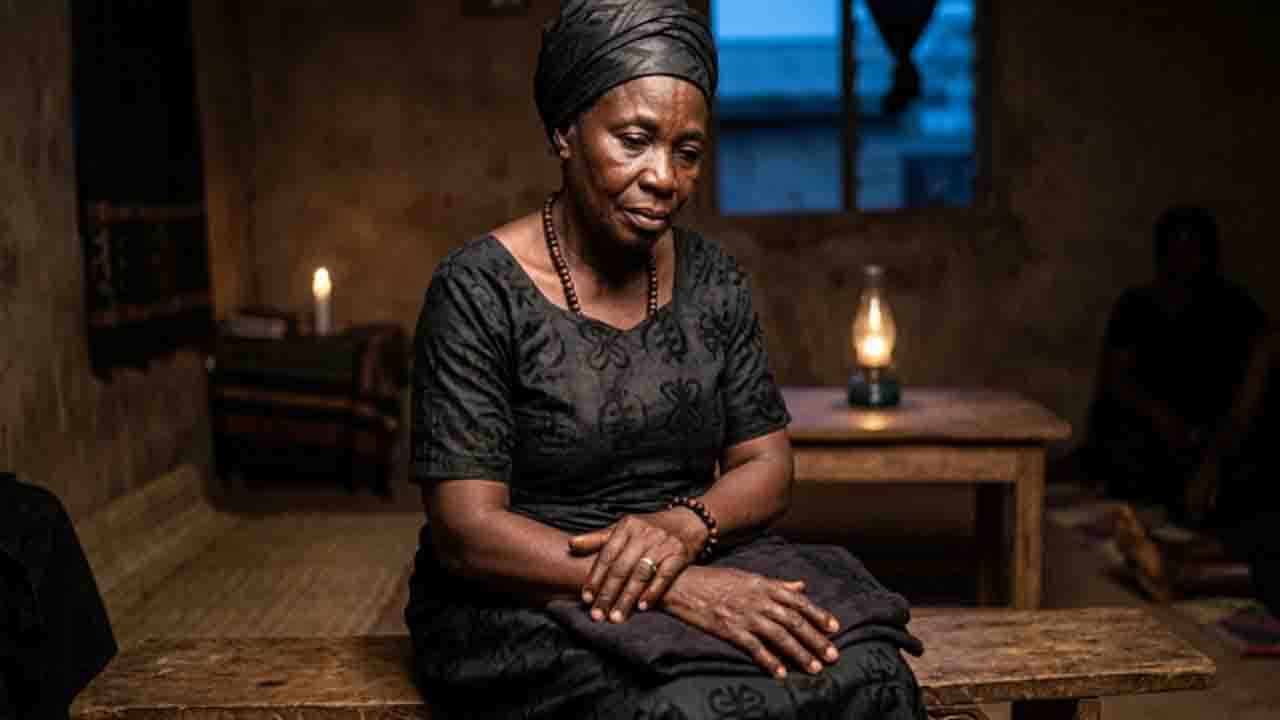

Across several African communities, marriage has traditionally been viewed not simply as a union between two individuals, but as a bond between families, clans, and generations. Because of this, the death of a husband often involved customs and rites that reflected deeper cultural beliefs about family continuity, inheritance, ancestry, and social responsibility.
One such practice found in parts of Africa, including some communities in Northern Ghana, is commonly referred to as widow inheritance or levirate marriage.
Under this tradition, a widow could be asked — or expected — to remain within her late husband’s family after his death. In some cases, after final funeral rites were completed, she would be given the option to marry a brother, cousin, or another male relative of the deceased husband.
To outsiders or younger generations, this practice may appear unusual or even unfair. However, historically, the tradition served several cultural and social purposes.
Why the Tradition Existed
In many traditional societies, women often depended heavily on family structures for economic support, protection, land access, and child upbringing. Widow inheritance was therefore seen as a way to:
- ensure the widow and her children remained protected,
- preserve family property and inheritance,
- continue the deceased man’s lineage,
- and maintain strong ties between families.
In some communities, children born from the new union were even regarded as belonging spiritually or socially to the deceased husband, carrying his family name and continuing his bloodline symbolically.
The tradition reflected a worldview where ancestry, lineage, and family continuity were deeply important.
Funeral Rites and Cultural Release
In many communities, a widow was not considered fully free to remarry until final funeral rites had been completed. These rites symbolized the formal transition of the deceased into the ancestral world and also marked the widow’s release from certain marital obligations.
Among some families, the widow could then decide whether to remain connected to the husband’s family or leave entirely.
Interestingly, many women found subtle ways to resist pressure while still respecting cultural expectations. Stories exist of widows making symbolic or unexpected choices when asked to select a male relative from the family, quietly challenging traditions without openly confronting elders.
Modern Perspectives and Cultural Change
Today, practices surrounding widow inheritance are changing significantly across Africa.
Urbanization, education, Christianity, Islam, women’s rights advocacy, and modernization have transformed how younger generations view marriage, family, and individual freedom. Many women now reject the idea that they should remain tied to a husband’s family after his death.
At the same time, some elders and traditionalists argue that these customs were originally created to provide social security and family stability rather than oppression.
This tension between preserving culture and adapting to modern values continues to shape conversations in many African communities today.
Preserving History While Respecting Choice
Cultural traditions often carry important historical meaning and reflect how societies once organized family life, inheritance, and survival. However, modern discussions increasingly emphasize that traditions should evolve in ways that respect personal choice, dignity, and equality.
As Africa continues to modernize, many communities are finding ways to preserve cultural identity while rethinking customs that no longer fit contemporary life.
The conversation around widow inheritance is therefore not just about tradition it is also about history, identity, gender roles, and how societies adapt across generations.


