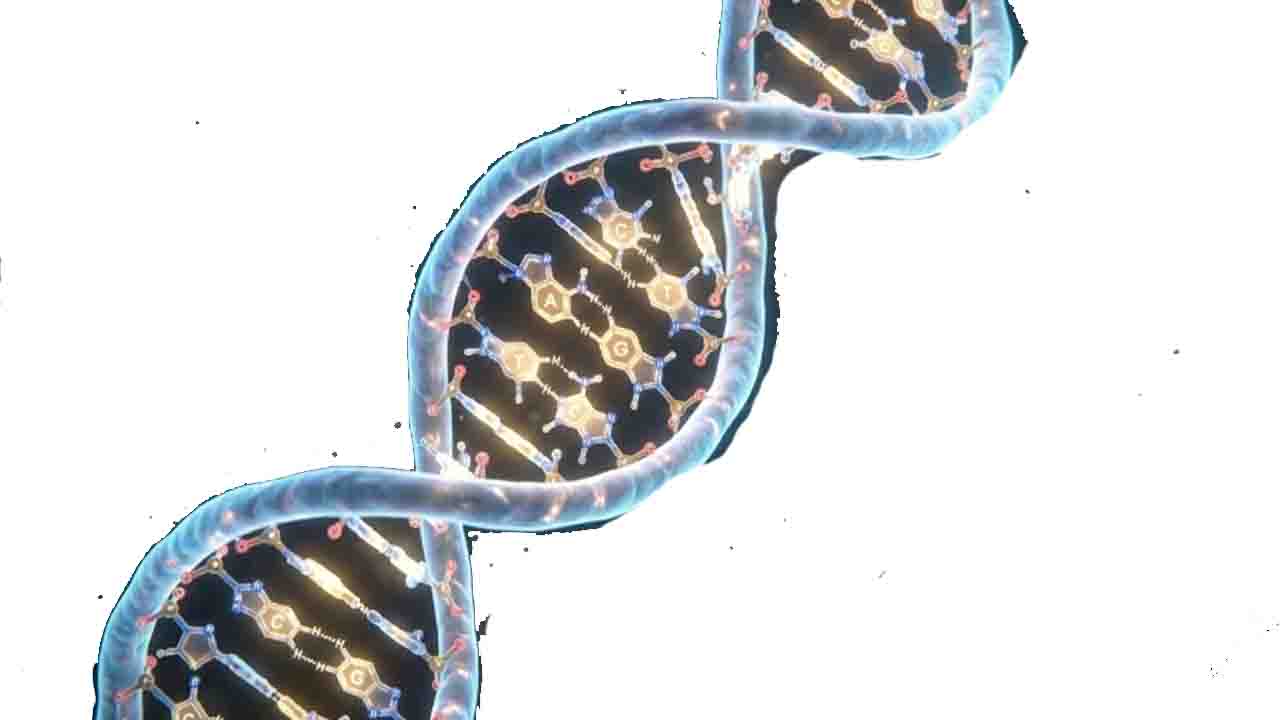

DNA is often described as the blueprint of life. It determines many of our physical characteristics, influences our health, and connects us to our biological relatives. Advances in genetic science have made DNA testing more accessible than ever, allowing people to explore their ancestry, assess health risks, and even solve criminal cases.
However, despite its remarkable power, DNA is not a crystal ball. There are many misconceptions about what DNA can and cannot reveal. Understanding both its capabilities and limitations is essential in an age where genetic information is increasingly part of everyday life.
What Is DNA?
DNA, or deoxyribonucleic acid, is the molecule that contains the genetic instructions for the development, growth, and functioning of living organisms. Nearly every cell in the human body contains DNA.
DNA is organized into structures called chromosomes. Humans typically have 23 pairs of chromosomes, inheriting one set from their mother and one set from their father.
Within DNA are genes, which carry instructions that influence traits such as eye color, hair texture, blood type, and aspects of physical development.
What DNA Can Tell Us
1. Biological Relationships
One of the most well-known uses of DNA testing is establishing biological relationships.
DNA can help determine:
- Paternity (whether someone is a child’s biological father)
- Maternity
- Sibling relationships
- Grandparent relationships
- Extended family connections
Modern DNA tests are highly accurate for determining close biological relationships.
2. Ancestry and Ethnic Origins
DNA testing can provide insights into a person’s ancestral background.
Many people use genetic testing services to discover:
- Geographic regions their ancestors came from
- Ethnic heritage estimates
- Connections to distant relatives
These tests can offer fascinating clues about family history and migration patterns.
3. Certain Health Risks
Some genetic tests can identify inherited variations associated with increased risks for specific diseases.
Examples include:
- Certain forms of breast cancer
- Some heart conditions
- Genetic blood disorders
- Rare inherited diseases
However, having a genetic risk does not guarantee a person will develop a condition.
4. Forensic Identification
DNA has transformed criminal investigations and disaster victim identification.
Because DNA is highly unique to individuals (except identical twins), it can be used to:
- Identify suspects
- Exonerate innocent people
- Identify human remains
What DNA Cannot Do
Despite its capabilities, DNA has important limitations.
1. DNA Cannot Predict Your Entire Future
A common misconception is that DNA determines everything about a person.
In reality, many factors influence our lives, including:
- Environment
- Education
- Nutrition
- Lifestyle choices
- Social experiences
Genes may influence tendencies and risks, but they do not completely determine outcomes.
2. DNA Cannot Reveal Personality with Certainty
Some companies claim to provide insights into personality traits based on DNA.
While genetics may influence certain tendencies, DNA cannot accurately determine:
- Whether someone will be kind or selfish
- Their political views
- Their religious beliefs
- Their moral character
- Their ambitions and dreams
Human behavior is shaped by a complex interaction between genetics and life experiences.
3. DNA Cannot Prove Love or Emotional Bonds
DNA can establish biological relationships, but it cannot measure emotional connections.
A DNA test can identify a biological father, but it cannot determine:
- Who raised a child
- Who provided love and support
- The quality of family relationships
Family is often about more than genetics alone.
4. DNA Cannot Determine Intelligence Precisely
Scientists have identified genetic factors associated with cognitive abilities, but intelligence is influenced by many factors beyond DNA.
Education, opportunities, upbringing, health, and environment all play major roles.
No DNA test can accurately predict a person’s future academic success or life achievements.
5. DNA Cannot Distinguish Between Identical Twins
Identical twins originate from the same fertilized egg and share nearly identical DNA.
This means standard DNA testing often cannot distinguish one identical twin from another.
More advanced techniques may sometimes identify tiny differences, but this remains a challenge in forensic science.
Common Myths About DNA
Myth: Siblings Have Exactly the Same DNA
Reality: Brothers and sisters typically share about 50% of their DNA, but they do not have identical DNA unless they are identical twins.
Myth: A Child Could Belong Equally to Two Brothers
Reality: Even though brothers share significant DNA, modern DNA testing can usually distinguish between them. However, close relatives can sometimes complicate paternity investigations, requiring more advanced testing.
Myth: DNA Determines Destiny
Reality: DNA influences many aspects of life, but it does not control every outcome. Choices, opportunities, and experiences matter greatly.
The Future of DNA Science
Genetic research continues to advance rapidly. Scientists are learning more about inherited diseases, personalized medicine, and how genes interact with the environment.
Future breakthroughs may improve disease prevention, treatment, and understanding of human biology. However, ethical questions about privacy, discrimination, and the use of genetic information remain important considerations.
Conclusion
DNA is one of the most powerful tools in modern science. It can help us understand our ancestry, identify biological relationships, investigate crimes, and assess certain health risks.
Yet DNA has limits. It cannot fully predict who we will become, determine our worth, measure our relationships, or define our future.
While our genes provide the foundation of our biological identity, they are only one part of the story. Our choices, experiences, values, and relationships play equally important roles in shaping who we are.
In the end, DNA may tell us where we come from but it does not decide where we are going.