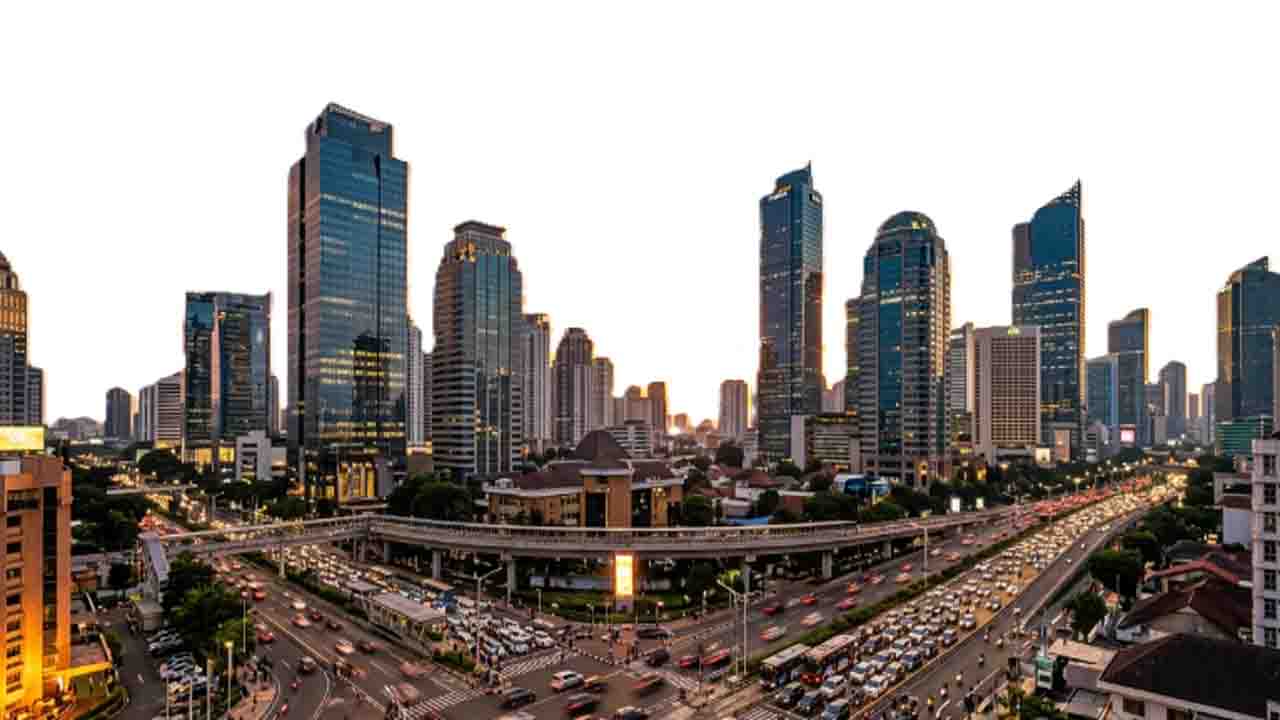

For more than six decades, Tokyo held the title of the world’s largest metropolitan area. It was a symbol of rapid economic growth, technological advancement, and modern urban planning. But history has taken a new turn.
According to recent United Nations metropolitan population estimates, Jakarta’s metropolitan region—known as Jabodetabek—has surpassed 42 million people, making it the largest metropolitan area on Earth and overtaking Tokyo after more than 60 years at the top.
To appreciate the scale of this milestone, consider this: more than 42 million people now live within one continuous urban region—more than the entire population of countries such as Canada, Morocco, or Poland.
This is more than a demographic record. It is a powerful reflection of where the world’s economic, social, and urban future is heading.
The Rise of Jakarta
Jakarta is the capital of Indonesia, the world’s fourth most populous country, with more than 280 million people spread across thousands of islands.
The metropolitan region, known as Jabodetabek, includes Jakarta and the surrounding cities of Bogor, Depok, Tangerang, Bekasi, and other rapidly expanding urban communities. Over the years, these cities have grown together into one vast metropolitan network connected by roads, railways, businesses, and millions of daily commuters.
What were once separate cities are now part of a single urban ecosystem.
Every year, hundreds of thousands of people migrate into the region in search of better jobs, education, healthcare, and business opportunities.
Why Cities Keep Growing
Urbanization is one of the defining trends of the 21st century.
People continue moving from rural communities into cities because cities offer:
- Better employment opportunities.
- Access to higher education.
- Improved healthcare.
- Modern infrastructure.
- Larger markets for businesses.
- Greater access to technology.
As economies develop, cities become engines of innovation and economic growth.
Jakarta is simply the latest example of this global phenomenon.
Asia Continues to Shape the World’s Future
The rise of Jakarta also highlights a broader trend.
The world’s largest cities are increasingly located in Asia.
Cities such as Delhi, Shanghai, Dhaka, Manila, Mumbai, Beijing, Guangzhou, and Jakarta are becoming global economic powerhouses.
This reflects the rapid economic transformation taking place across Asia, where rising incomes, expanding middle classes, and industrial growth continue to attract millions of people into urban centres.
The global balance of economic influence continues shifting eastward.
Opportunities Created by Mega Cities
Large cities generate enormous economic potential.
A metropolitan area with more than 40 million people creates opportunities for:
Business Growth
Large populations mean larger consumer markets.
Companies have access to millions of potential customers living within a relatively concentrated area.
This encourages investment in:
- Retail.
- Food services.
- Real estate.
- Transportation.
- Healthcare.
- Financial services.
- Technology.
Innovation
Dense populations bring together entrepreneurs, universities, researchers, investors, and skilled workers.
Many of the world’s greatest innovations emerge from cities where talent and ideas interact every day.
Employment
Mega cities create millions of jobs across multiple industries.
From construction and logistics to finance and digital services, urban growth fuels economic activity.
The Challenges of Becoming the Largest City
Growth also creates enormous challenges.
Housing
As populations expand rapidly, affordable housing becomes increasingly difficult to provide.
Without careful planning, informal settlements and overcrowding can grow.
Transportation
Millions of commuters require efficient transport systems.
Traffic congestion already costs many large cities billions of dollars annually in lost productivity.
Expanding public transportation becomes essential.
Environmental Pressure
Larger populations consume more energy, water, and land.
Waste management, air quality, and pollution become increasingly complex challenges.
Climate change adds another layer of urgency.
Infrastructure
Cities must continually invest in:
- Roads.
- Water systems.
- Electricity.
- Schools.
- Hospitals.
- Digital connectivity.
Keeping pace with population growth requires long-term planning and significant investment.
Lessons for Africa
Jakarta’s growth offers valuable lessons for African cities.
Many African urban centres are among the fastest-growing in the world.
Cities such as Lagos, Kinshasa, Nairobi, Dar es Salaam, Addis Ababa, Accra, and Cairo are expected to continue expanding rapidly over the coming decades.
Africa’s urban population is projected to more than double by 2050.
The decisions made today regarding infrastructure, housing, transportation, education, and employment will shape the quality of life for hundreds of millions of future city residents.
Jakarta demonstrates both the opportunities and the responsibilities that accompany rapid urbanization.
Building Cities for People
Being the world’s largest city should not simply be about population.
Success should be measured by how well cities serve the people who live in them.
The most successful cities are those that provide:
- Affordable housing.
- Reliable transportation.
- Clean environments.
- Safe neighbourhoods.
- Quality education.
- Accessible healthcare.
- Opportunities for entrepreneurs.
- Inclusive economic growth.
Urban planning must place people at the centre of development.
The Future Is Urban
The United Nations estimates that by 2050, nearly 70% of the world’s population will live in urban areas.
Cities will increasingly determine the future of:
- Economic development.
- Innovation.
- Climate action.
- Employment.
- Technology.
- Culture.
Jakarta’s emergence as the world’s largest metropolitan area is another milestone in this ongoing transformation.
Final Thoughts
Jakarta’s rise to become the world’s largest city is more than a statistical achievement—it is a symbol of a rapidly changing world.
It reflects shifting economic power, accelerating urbanization, and the growing importance of emerging markets in shaping the global economy.
For governments, it is a reminder that population growth must be matched with thoughtful planning and sustainable infrastructure.
For businesses, it highlights the immense opportunities that come with serving large and dynamic urban populations.
For Africa, it serves as both inspiration and a warning. The continent’s cities are growing at an extraordinary pace, and the choices made today will determine whether they become centres of innovation and prosperity or struggle under the weight of unplanned expansion.
As the world’s urban population continues to rise, one thing is certain: the cities that invest in people, sustainability, and smart planning will define the future of the global economy.