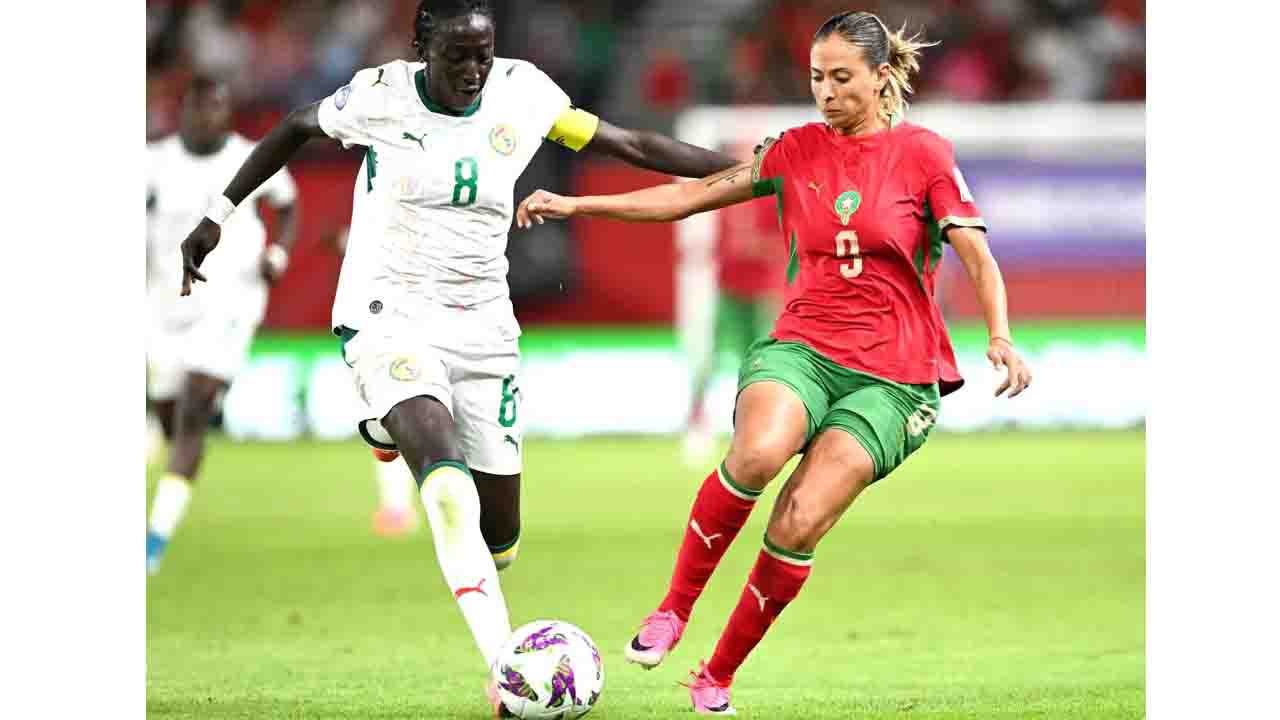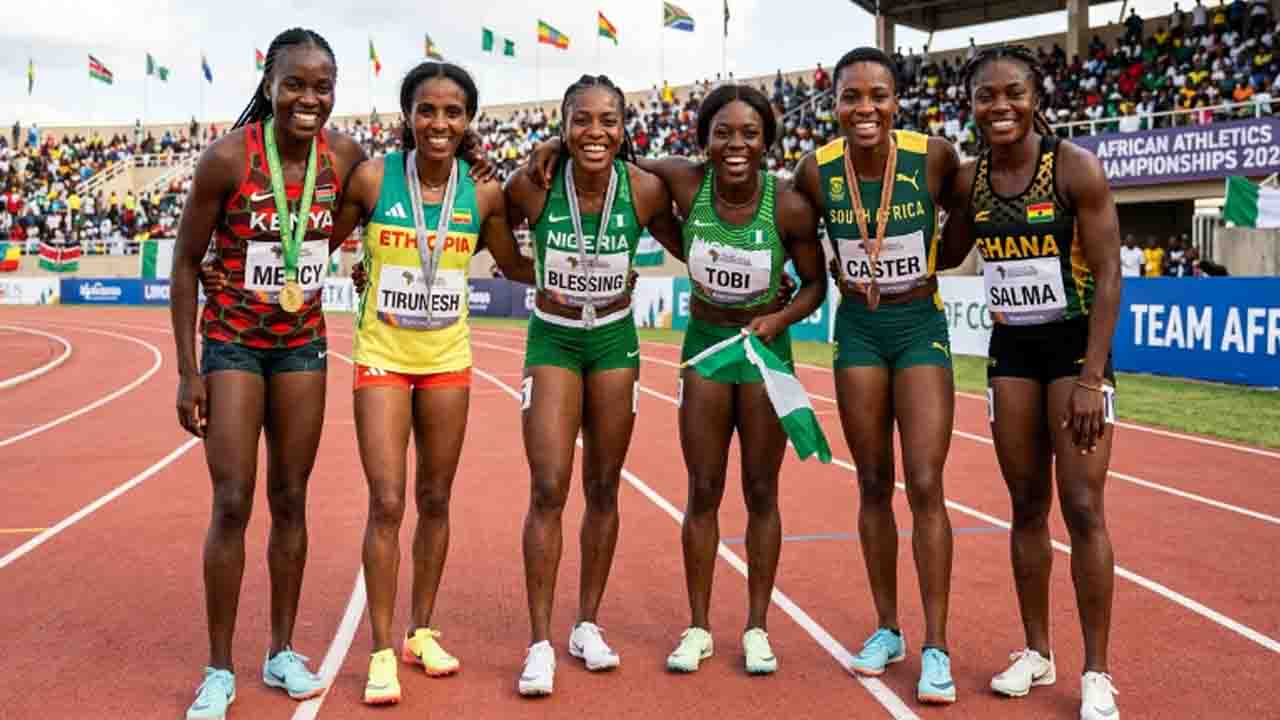

From football and basketball to athletics, boxing, and tennis, women are making remarkable strides in professional sports. They are breaking records, winning championships, and inspiring millions around the world. Yet, many female athletes delay marriage or choose not to marry during the peak of their careers.
This does not mean female athletes are against marriage. Many eventually marry and build happy families. However, the unique demands of professional sport often make the decision more complicated than it is for the average person.
1. Fear That Marriage Could Affect National Team Selection
One concern that has been raised by some female athletes particularly in football is the belief that getting married could reduce their chances of being selected for the national team.
While there are generally no official rules preventing married women from representing their countries, some athletes worry that coaches or selectors may view married players differently. They fear they may be perceived as having greater family responsibilities, being less available for training camps, or being more likely to take time away from the sport in the future.
In some sporting environments, these concerns stem from personal experiences, stories shared by fellow athletes, or long-held perceptions rather than written policies. Whether justified or not, the belief alone can influence important life decisions.
As a result, some athletes choose to postpone marriage until they feel their place in the national team is secure or until they have reached certain career milestones.
2. Their Career Comes First
Professional sports careers are often short. Many athletes have only a limited number of years to compete at the highest level.
Training sessions, competitions, international travel, and recovery leave little room for balancing a marriage. Many athletes fear that family responsibilities could affect their focus or shorten their careers.
3. Fear of Losing Their Independence
Elite athletes are used to making important decisions about their careers, finances, and lifestyles.
Some worry that marriage could limit their independence or require compromises that may affect their professional ambitions. They want partners who support their careers rather than expect them to give up their dreams.
4. Constant Travel and Time Apart
Professional athletes often spend weeks or months away from home.
Whether travelling for league matches, international tournaments, or training camps, maintaining a healthy relationship can be challenging. Long periods apart can place pressure on even the strongest relationships.
5. Public Attention and Media Pressure
Successful athletes often live in the public eye.
Their relationships may become the subject of media speculation and social media discussions. Some athletes prefer to keep their private lives away from public scrutiny, making them cautious about marriage.
6. Financial Independence
Today’s female athletes are increasingly earning significant incomes through salaries, endorsements, and sponsorships.
Financial independence means many women no longer feel pressured to marry for economic security. Instead, they can afford to wait until they meet the right partner.
7. Fear of Sacrificing Their Career
In some sports, pregnancy and motherhood can temporarily interrupt training and competition.
Although many athletes successfully return to elite competition after having children, some worry that taking time away from the sport could affect their performance, rankings, contracts, or sponsorship opportunities.
8. Finding the Right Partner
Some female athletes say it is difficult to find someone who understands the demands of professional sport.
A supportive partner needs to appreciate:
- Intensive training schedules.
- Frequent travel.
- Physical and mental demands.
- The emotional highs and lows of competition.
Without that understanding, relationships can become strained.
9. Previous Relationship Experiences
Like anyone else, athletes can experience heartbreak, betrayal, or unhealthy relationships.
Past experiences may make some more cautious about making long-term commitments.
10. Pressure to “Have It All”
Female athletes are often expected to excel in every area of life—winning medals, building businesses, maintaining relationships, and eventually raising families.
Trying to meet all these expectations can feel overwhelming. Some choose to focus on one stage of life at a time rather than trying to do everything simultaneously.
Marriage Is Not the End of an Athletic Career
It’s important to note that many female athletes have shown that marriage and elite sport can coexist. Across different sports, numerous women have continued to represent their countries, win championships, and break records after getting married or becoming mothers.
Their success demonstrates that marriage and family life do not automatically end an athlete’s career. In many cases, having the right support system allows women to thrive both personally and professionally.
It’s Not Always Fear—Sometimes It’s Timing
In many cases, what appears to be a fear of marriage is actually a matter of timing and priorities.
Many female athletes simply choose to establish their careers before making long-term personal commitments. Others want to achieve personal milestones such as earning a national team place, competing at major tournaments, or securing professional contracts before settling down.
Final Thoughts
The idea that female athletes are “afraid” to get married is an oversimplification. While some may worry that marriage could influence how they are perceived by coaches or selectors, or affect opportunities such as national team selection, these concerns are not based on universal rules and vary between sports, countries, and organizations.
Ultimately, the strongest sporting environments are those that judge athletes on their talent, commitment, and performance—not on their marital status.
As women’s sport continues to grow, many athletes are proving that it is possible to pursue excellence on the field while also building fulfilling personal and family lives. The hope is that future generations of female athletes will never feel they have to choose between representing their country and pursuing happiness in their personal lives.