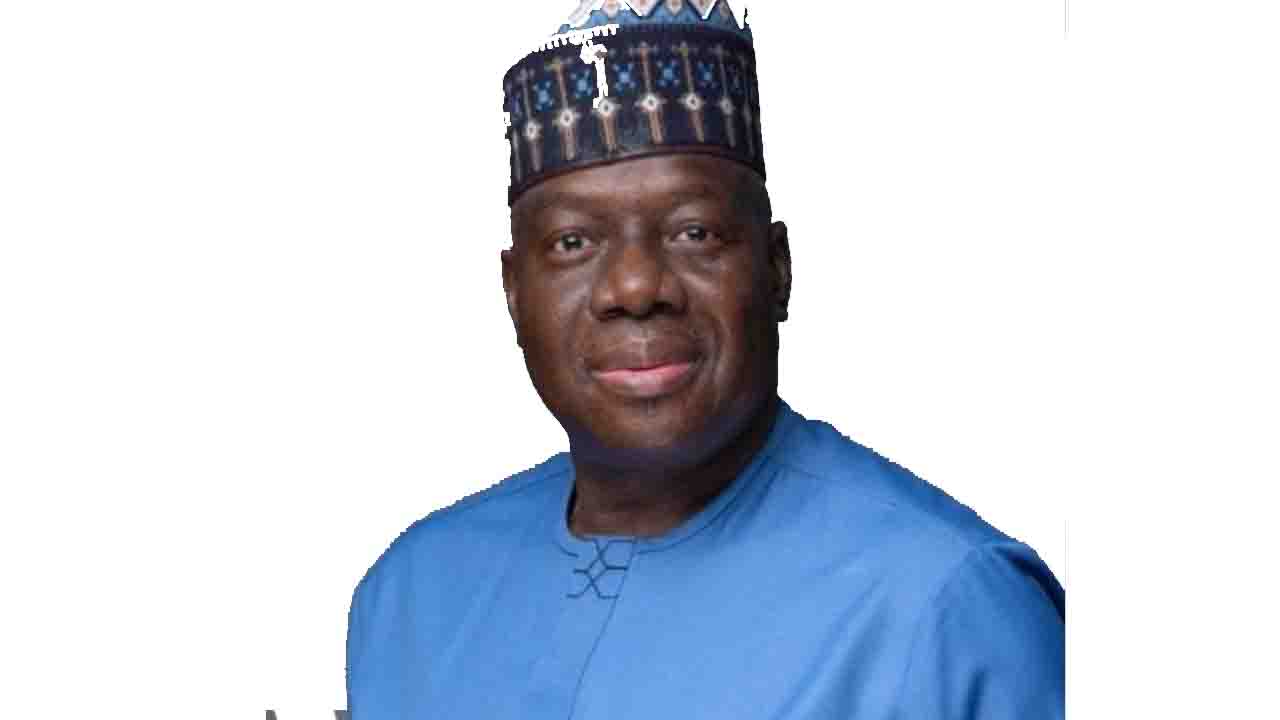
Speaking at the 3i Africa Summit 2026 in Accra, Premier Oiwoh, CEO of the Nigeria Inter-Bank Settlement System, raised an important concern about the future of digital payments in Africa.
His message was simple but powerful:
Africa cannot build a modern digital economy while digital payments remain expensive, fragmented, and less attractive than cash.
According to him, the high cost of cross-border digital transfers across African countries is becoming a form of exploitation, especially when compared to the realities of how people already move money informally across borders every day.
“You Are Competing With Cash”
One of the most striking statements from Premier Oiwoh was this:
“You are competing with cash.”
That statement captures one of the biggest challenges facing African fintech and digital banking systems.
For many Africans, cash remains:
- faster
- simpler
- more trusted
- and sometimes cheaper
than formal digital payment systems.
If sending money digitally across borders costs too much, people naturally return to informal systems.
And across Africa, those informal systems are already deeply embedded in everyday trade.
The Benin–Nigeria Example
Premier Oiwoh shared an example from his experience working in Benin.
According to him, there are individuals whose full-time job is simply to physically move cash between Benin Republic and Nigeria.
Cash is picked up in one country and transported across the border into another country manually.
This happens because:
- traders need speed
- people want to avoid high transaction costs
- and existing digital systems are often inefficient or expensive
But while the system may work informally, it creates serious risks.
Why Governments Should Be Concerned
Premier Oiwoh warned that heavy dependence on physical cash movement across borders is dangerous for governments.
Why?
Because untracked cash creates:
- limited financial visibility
- reduced tax transparency
- money laundering risks
- security concerns
- challenges for monetary policy
- difficulties tracking economic activity
When large volumes of money move outside formal financial systems, governments lose oversight.
In many African economies where informal trade is already significant, this becomes an even bigger issue.
Digital payments were supposed to solve this problem.
But if digital systems become too expensive, people simply avoid them.
Who Should Really Bear the Cost?
One of the most thought-provoking parts of his argument was about the true cost of physical cash.
According to Premier Oiwoh, governments and central banking systems already spend enormous amounts of money on:
- printing currency
- transporting money
- securing cash movement
- insurance
- storage
- cash handling infrastructure
Yet despite all these hidden costs, consumers are often expected to pay significant fees for digital transactions.
His argument raises an important question:
If digital payments reduce the burden of physical cash management, shouldn’t governments and financial systems encourage digital adoption by making transfers cheaper or nearly free?
In other words:
digital transactions should not be treated as a luxury.
They should be treated as infrastructure.
Africa’s Digital Future Depends on Payments
Africa is currently experiencing rapid fintech growth.
Countries such as:
- Nigeria
- Kenya
- Ghana
- South Africa
have become leaders in mobile money and digital finance innovation.
However, one major challenge remains:
cross-border interoperability.
Sending money within the same country is becoming easier.
Sending money across African borders is still often:
- expensive
- slow
- fragmented
- and overly dependent on foreign financial systems
This directly affects:
- small businesses
- traders
- freelancers
- migrants
- startups
- and ordinary Africans trying to transact across borders
The Bigger African Opportunity
The vision of a more integrated Africa under initiatives like the African Continental Free Trade Area depends heavily on affordable payments.
Trade cannot scale efficiently if moving money across African borders remains difficult.
A trader in Ghana should be able to pay a supplier in Nigeria as easily as sending mobile money locally.
That is the future many African fintech leaders are pushing toward.
And according to Premier Oiwoh, reducing digital payment costs is central to achieving that future.
Final Thoughts
Premier Oiwoh’s comments at the 3i conference highlight a growing reality:
Africa’s digital transformation is not just about technology.
It is about trust, affordability, accessibility, and infrastructure.
If digital payments remain expensive, people will continue relying on cash.
And if cash continues dominating cross-border trade, African governments risk losing visibility into major parts of their economies.
The future of African trade may depend not just on building digital payment systems but on making them affordable enough for ordinary Africans to actually use.