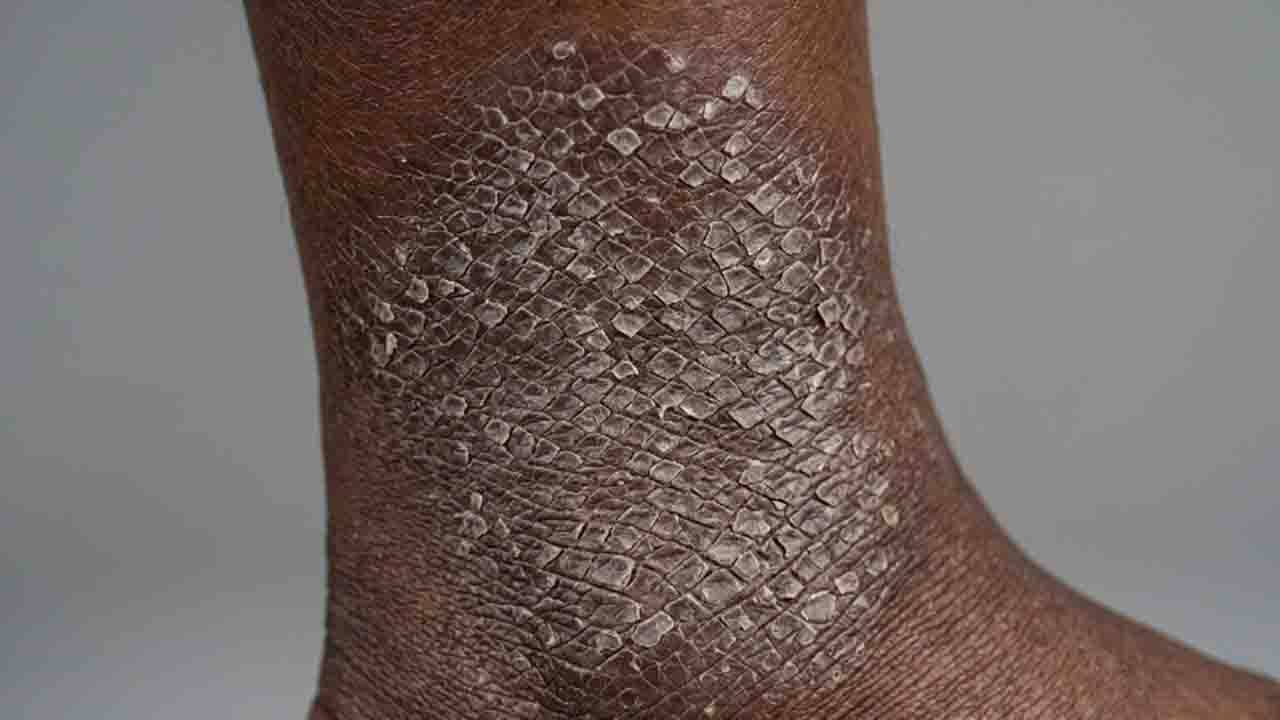

Dry skin is something most people experience from time to time, especially during colder months or in dry climates. However, for people living with ichthyosis, the condition goes far beyond ordinary dryness. Characterized by thick, scaly skin that can resemble fish scales, ichthyosis is a lifelong challenge for many and can significantly affect both physical comfort and emotional well-being.
What Is Ichthyosis?
Ichthyosis is a group of skin disorders that cause the skin to become extremely dry, thickened, and scaly. The name comes from the Greek word ichthys, meaning “fish,” because the skin can resemble fish scales.
There are more than 20 different types of ichthyosis, ranging from mild forms that cause minimal discomfort to severe forms that require ongoing medical care. While some people are born with the condition, others develop it later in life due to underlying health issues.
Is Ichthyosis an Autoimmune Disease?
One of the most common misconceptions about ichthyosis is that it is an autoimmune disease. In most cases, it is not.
The majority of people with ichthyosis have inherited the condition through genetic mutations that affect how their skin grows and sheds. These inherited forms are present from birth or develop during early childhood.
A smaller number of people develop acquired ichthyosis during adulthood. Although this form is not autoimmune, it can sometimes be associated with other medical conditions such as thyroid disorders, kidney disease, HIV infection, certain cancers, or the use of specific medications. Anyone who develops ichthyosis later in life should consult a healthcare professional for a thorough medical evaluation.
Common Symptoms
Symptoms vary depending on the type and severity of the condition but often include:
- Extremely dry skin
- Thickened, rough patches
- Scaly skin that may resemble fish scales
- Cracked or painful skin
- Itching
- Skin tightness, particularly after bathing
- Symptoms that worsen in cold or dry weather
In severe cases, the skin may crack deeply, increasing the risk of infection.
What Causes Ichthyosis?
Inherited ichthyosis is caused by genetic changes that interfere with the skin’s natural process of producing and shedding cells. Normally, old skin cells are replaced by new ones in a balanced cycle. In ichthyosis, this process is disrupted, causing dead skin cells to accumulate on the surface.
Acquired ichthyosis develops later in life and may signal an underlying health condition that requires medical attention.
Is Ichthyosis the Same as Psoriasis?
Although both conditions cause scaling of the skin, they are fundamentally different.
Psoriasis is an autoimmune disease in which the immune system speeds up the production of skin cells, leading to inflamed, red plaques covered with silvery scales.
Ichthyosis, on the other hand, is usually caused by inherited genetic changes that affect the skin’s barrier and its ability to shed dead skin cells properly. It typically does not involve an overactive immune system.
Because the two conditions can appear similar, an accurate diagnosis by a dermatologist is important.
Living with Ichthyosis
While there is currently no cure for inherited ichthyosis, many people successfully manage the condition through daily skincare.
Treatment often includes:
- Applying moisturisers several times a day
- Using creams containing urea, glycerin, lactic acid, or ceramides
- Taking short, warm baths followed immediately by moisturising
- Avoiding harsh soaps that strip the skin of natural oils
- Using a humidifier in dry environments
- Seeking specialist care for severe cases, which may require prescription medications
Consistency is key. Daily skincare can significantly reduce discomfort and improve quality of life.
The Emotional Impact
Beyond the physical symptoms, ichthyosis can affect confidence and mental well-being. Visible skin conditions often attract unwanted attention, leading some individuals to experience embarrassment, anxiety, or social isolation.
Greater public understanding and empathy can help reduce stigma and encourage people living with the condition to seek appropriate medical care and emotional support.
When Should You See a Doctor?
Medical advice should be sought if:
- Thick, scaly skin develops suddenly during adulthood.
- The skin becomes painful, infected, or severely cracked.
- Home treatments do not improve symptoms.
- The condition interferes with daily activities or quality of life.
Early diagnosis can help identify any underlying health issues and ensure appropriate treatment.
Final Thoughts
Ichthyosis is much more than dry skin. It is a complex skin disorder that often requires lifelong management. While it is not usually an autoimmune disease, understanding its causes, symptoms, and treatment options can help people receive the care they need and live healthier, more comfortable lives.
With increased awareness, compassion, and access to dermatological care, individuals living with ichthyosis can manage the condition effectively while leading full and active lives.


