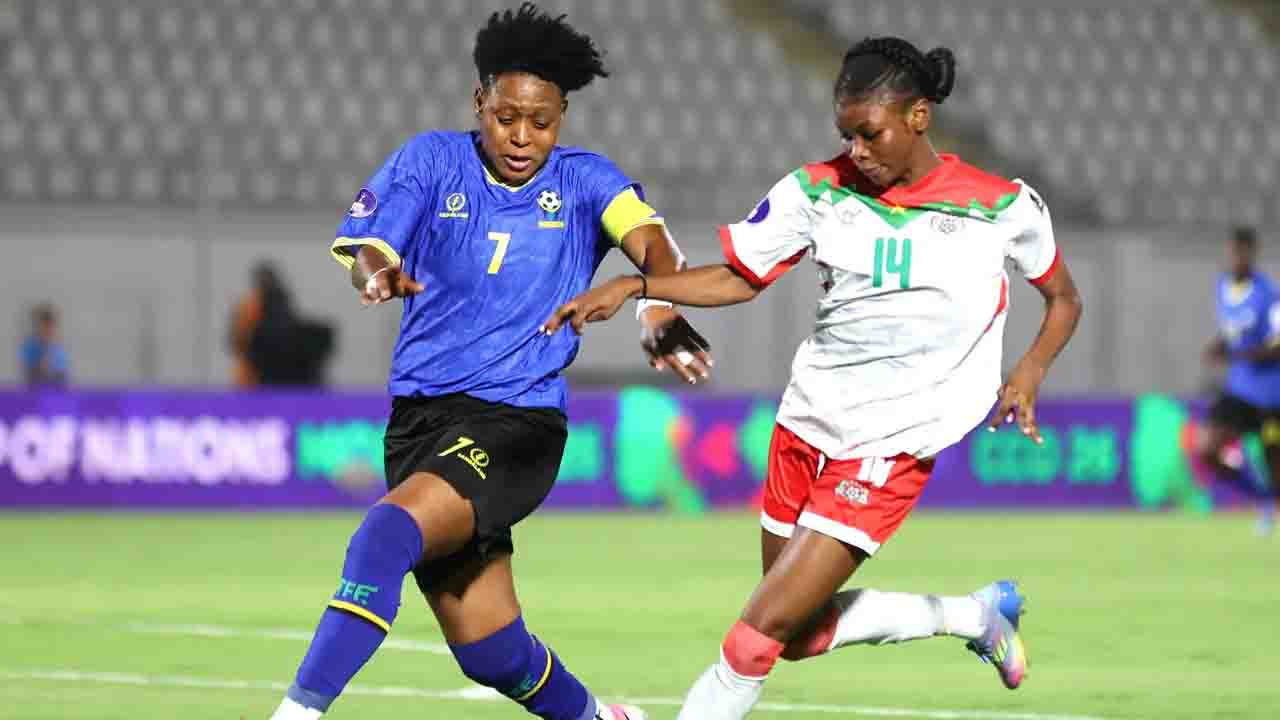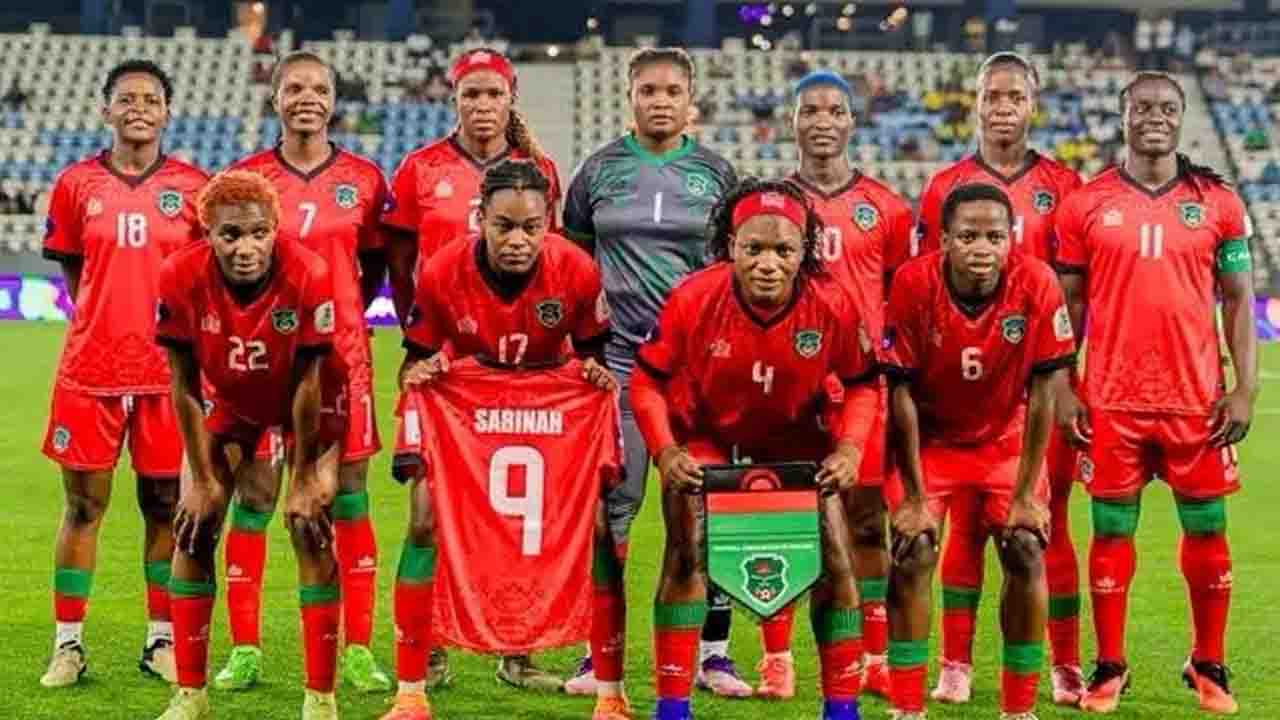

As the 2026 Women’s Africa Cup of Nations (WAFCON) progresses, one issue has generated almost as much discussion as the football itself: the number of empty seats inside the stadiums.
On the pitch, the tournament has delivered everything football fans could ask for. There have been dramatic upsets, stunning goals, late winners, and emerging stars announcing themselves on the continental stage. Yet, in many matches, television cameras have captured rows of empty seats, prompting questions about why more supporters are not attending.
Some fans have even taken to social media to express their disappointment. One Facebook user suggested that the low attendance may simply be because of the country chosen to host the tournament. While that may be one opinion, the reality is likely far more complex.
The Football Has Been Excellent
If anyone expected a dull tournament, WAFCON 2026 has proved them wrong.
The competition has produced memorable results, including:
- Malawi’s stunning victory over Nigeria.
- Tanzania’s shock win against South Africa.
- Zambia’s six-goal demolition of Egypt.
- Several closely fought encounters decided by late goals.
The standard of football has continued to improve, with many teams displaying tactical discipline, technical quality, and attacking ambition.
The football itself is certainly not the problem.
Is Morocco Really the Problem?
Some supporters believe Morocco should not have been selected as the host nation because attendance has been disappointing.
That argument deserves careful examination.
Morocco has invested heavily in football infrastructure over the past decade. The country boasts some of Africa’s best stadiums, excellent training facilities, modern transport networks, and considerable experience hosting major international tournaments.
In recent years, Morocco has successfully staged events including the FIFA Club World Cup, the Africa Cup of Nations youth competitions, and the Women’s Africa Cup of Nations.
It would therefore be unfair to conclude that the host nation alone is responsible for the low crowds.
Possible Reasons Behind the Empty Seats
Several factors may be contributing to the attendance challenge.
Limited Marketing
Many football fans across Africa were unaware the tournament had even started until they saw highlights online.
Greater promotion through television, radio, schools, universities, and social media could have generated stronger public interest before kickoff.
Weekday Fixtures
Many matches have been played during normal working hours or on weekdays, making it difficult for families, students, and working professionals to attend.
Even passionate football supporters may struggle to leave work to watch an afternoon match.
Neutral Matches Attract Smaller Crowds
As is often the case in international tournaments, the host nation’s matches naturally attract the biggest audiences.
When two visiting nations play each other, especially teams without a large local diaspora, attendance is often much lower.
This challenge is not unique to WAFCON.
Women’s Football Still Faces Visibility Challenges
Although women’s football has grown significantly across Africa, it still does not receive the same level of media coverage as the men’s game.
Many fans can easily name stars such as Mohamed Salah, Victor Osimhen, or Achraf Hakimi, but may struggle to recognise many of Africa’s top female footballers.
Greater media exposure throughout the year—not just during tournaments—could help build stronger fan connections.
Could the Tournament Have Been Hosted Elsewhere?
Some have suggested that another African country might have attracted larger crowds.
That is possible, but it is impossible to know for certain.
Attendance depends on many factors, including:
- Local interest in women’s football.
- Stadium location.
- Ticket pricing.
- Marketing campaigns.
- Transport accessibility.
- Match scheduling.
- The participation of the host nation.
Simply changing the host country would not automatically guarantee full stadiums.
CAF Must Learn From This Tournament
The Confederation of African Football (CAF) has made significant progress in developing women’s football, but attendance should become an important area of review after WAFCON 2026.
Future tournaments could benefit from:
- Stronger marketing campaigns beginning months before kickoff.
- Greater engagement with schools and universities.
- Partnerships with local football clubs.
- Community outreach programmes.
- Affordable family ticket packages.
- Increased promotion of Africa’s female football stars.
Growing attendance requires building excitement long before the opening match.
Empty Seats Should Not Overshadow Great Football
Despite concerns about crowd numbers, WAFCON 2026 has showcased how far women’s football in Africa has progressed.
The tournament has delivered quality football, emerging talent, competitive matches, and unforgettable moments.
The challenge now is ensuring that future editions receive the audiences they deserve.
Final Thoughts
Empty stadiums should not define WAFCON 2026, but they should start an important conversation.
Rather than placing all the blame on the host country, CAF, national football associations, broadcasters, sponsors, and the media should work together to understand why attendance has been lower than expected and how to attract more supporters in future tournaments.
The football has been worthy of packed stadiums. The next challenge is making sure the fans are there to witness it.