
As businesses grow, leadership becomes more complex. The habits and approaches that helped a founder or executive succeed at one stage may not be enough for the next.
Leaders are often expected to take on more responsibility, manage growing teams, make difficult decisions and continue performing under pressure. But without the right structures, this can lead to overwhelm, burnout and a reluctance to let go of responsibilities.
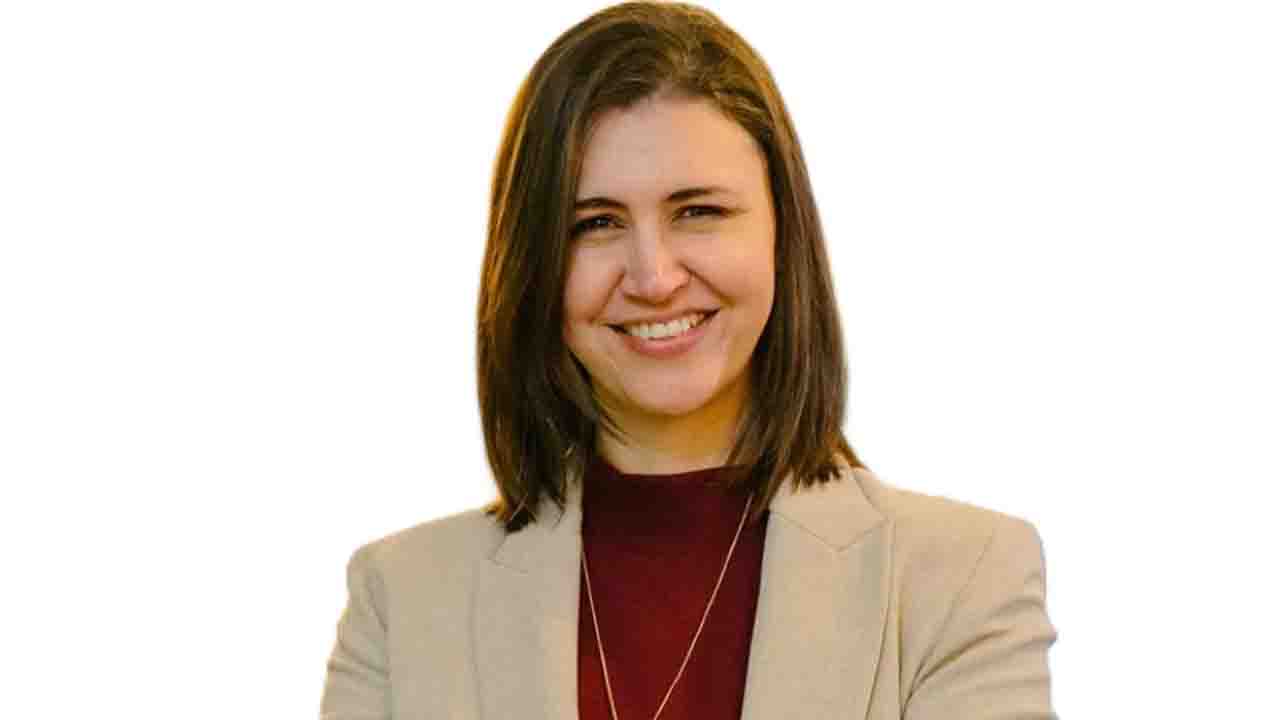
To explore these challenges, Just4WomenAfrica spoke with Liz Pretorius, founder of Leap, a leadership coaching business based in Cape Town that works with leaders stepping into bigger roles and navigating the pressure and complexities that come with them. Liz works with leaders internationally.
Having spent more than a decade working in business operations before moving into coaching, Liz has seen first-hand how leadership can influence the growth of teams and businesses.
In this conversation, she shares practical insights on delegation, leadership transitions, burnout, women in senior leadership and how founders can create more space for sustainable growth.
From Business Operations to Leadership Coaching
Q: What inspired you to transition from business operations into coaching?
Liz Pretorius: I’ve always had an interest in the people side of business and the impact that leaders can have on a business.
After spending years working in business operations, building processes and systems and helping companies scale, Liz became increasingly interested in the role leaders play in determining whether a business succeeds or struggles.
“Seeing how leaders can make or break a business” motivated her to become more involved in developing leaders and helping them scale their teams and businesses.
Growth Can Create a New Leadership Problem
Q: What are some of the biggest challenges founders and executives face when their businesses begin to grow?
According to Liz, one of the biggest challenges is failing to pause and reassess what the next stage of growth requires.
Founders often continue doing what has worked for them because it has produced results. But as the business grows, they can find themselves taking on more and more responsibility without creating the structures needed to hand things over.
The result can be mounting pressure and overwhelm.
For Liz, sustainable growth requires leaders to recognise that what worked at one stage may not necessarily work at the next.
Why Capable People Can Struggle at the Next Level
Q: Why do highly capable people sometimes struggle when they move into bigger leadership positions?
Liz believes many high-performing professionals enter bigger roles with an existing “playbook for success.”
The problem is that a new leadership position may require them to redefine what success means.
Success is no longer simply about delivering their own work or meeting KPIs. There are new expectations, responsibilities and relationships to navigate.
Unspoken expectations from themselves or from others can also create additional pressure.
A person may be capable of doing the job but still find themselves taking on more than is necessary because they feel they need to meet every expectation placed upon them.
Delegation Is About More Than Giving Work Away
Q: How can founders build stronger ownership within their teams?
For Liz, ownership doesn’t happen simply because a leader tells employees to “take ownership.”
It requires a system and culture that supports it.
That includes:
- Trust
- Clear expectations
- Effective delegation
- Feedback loops
- Decision-making guidelines
- Clear company values
- Accountability
Liz argues that delegation isn’t about simply handing something over and hoping it comes back in the desired form.
Instead, leaders need to establish the guardrails that allow people to make decisions, take responsibility and grow.
Sustainable Leaders Understand the Importance of Rest
Q: What separates sustainable leaders from those who eventually burn out?
Liz points to one important mindset: their relationship with rest and recharging.
Leaders who see physical, mental, emotional and social recovery as a non-negotiable part of success are more likely to protect their time and make better decisions about what deserves their attention.
Rather than treating wellbeing as an optional extra, sustainable leaders recognise it as part of their ability to perform effectively over the long term.
For Women in Leadership: Stop Trying to Prove Yourself Through Overcommitment
Q: What advice would you give a woman who has just been promoted into senior leadership and feels she has to prove herself?
Liz’s advice is simple but powerful:
Resist the urge to overcommit and over-explain.
When people feel they need to prove themselves, they can fall into the habit of saying yes to everything or becoming defensive when their decisions are challenged.
Instead, Liz recommends responding to pushback with curiosity and clarity.
When faced with a new request, she also recommends creating space before saying yes. Check existing commitments, project timelines, your calendar and your team’s capacity before making a decision.
That pause can help leaders respond deliberately rather than automatically responding to pressure.
Organisations Need to Prepare Women for Leadership
Q: What can organisations do better to prepare women for leadership?
Liz believes organisations need to provide clarity and support, rather than promoting someone and simply expecting them to figure everything out.
This can include clear criteria for success, spaces where leaders can discuss challenges and assumptions, and support around the management side of leadership—not just the operational responsibilities.
That support can come from managers, professional coaches or mentors.
Clear decision-making and behavioural guidelines can also help leaders understand what is expected within the organisation and give them greater confidence as they navigate their new responsibilities.
Feeling Overwhelmed? Start With the 4Ds
Q: What would you tell a founder who feels that everything depends on them?
Liz’s first piece of advice is refreshingly simple:
“Take a deep breath.”
Before attempting major changes, founders need to reduce the immediate pressure.
Liz recommends putting everything on the table and applying what she calls the 4Ds:
Drop — What doesn’t need to happen at all?
Delegate — What can someone else take responsibility for?
Delay — What can be moved further down the timeline?
Do — What is genuinely critical and still requires your attention?
This process can help founders create breathing room and identify where they need additional support.
Liz also highlights the value of having a trusted partner, mentor, friend or coach who can help a founder step outside their own head and assess the situation more objectively.
The Future of Leadership Is Still About People
Q: What will leaders need to do differently to remain effective and sustainable?
For Liz, the future of leadership isn’t necessarily about adopting an entirely new approach.
Instead, leaders need to re-emphasise understanding and caring for people—including themselves.
That means acknowledging uncertainty, providing guidance and support, creating opportunities for growth and upskilling, and developing cultures that can respond to increasing demands and global changes.
Her central message is straightforward: business ultimately involves people.
“If you don’t understand people and care for people, you don’t understand business.”
When Should a Founder Hire?
Q: What advice would you give founders wearing too many hats, particularly when cash flow is limited?
Liz acknowledges that deciding when to make a first or additional hire can be difficult, particularly when cash flow is tight.
Her advice is to pay close attention to the business pipeline.
If there are no sales or leads coming into the business, founders should prioritise sales and lead generation.
That might mean setting aside dedicated time each week for outreach, relationship-building or other activities that help fill the pipeline.
For Liz, building that pipeline can create the foundation from which the rest of the business can grow.
Leadership Requires Growth Too
One of the strongest themes running through Liz Pretorius’ approach is that business growth requires leadership growth.
Founders cannot continue carrying every responsibility as their organisations expand. Executives cannot rely indefinitely on the same behaviours that made them successful earlier in their careers. And leaders cannot sustainably perform at their best while treating their own wellbeing as an afterthought.
Delegation, clear expectations, trust, boundaries and rest are not distractions from performance.
They are part of what makes sustainable performance possible.
For women moving into senior leadership, the message is equally important: you don’t have to prove your value by taking on everything.
Sometimes the stronger leadership decision is to pause, assess, ask questions and decide what truly deserves your attention.
And when everything feels overwhelming, Liz’s advice provides a useful place to start:
Drop. Delegate. Delay. Do.
Watch the Full Interview
Watch our full conversation with Liz Pretorius, founder of Leap, on the Just4WomenAfrica YouTube channel.
Just4WomenAfrica connects and amplifies the stories, experiences and work of African women across business, leadership, entrepreneurship, technology, health and social impact.