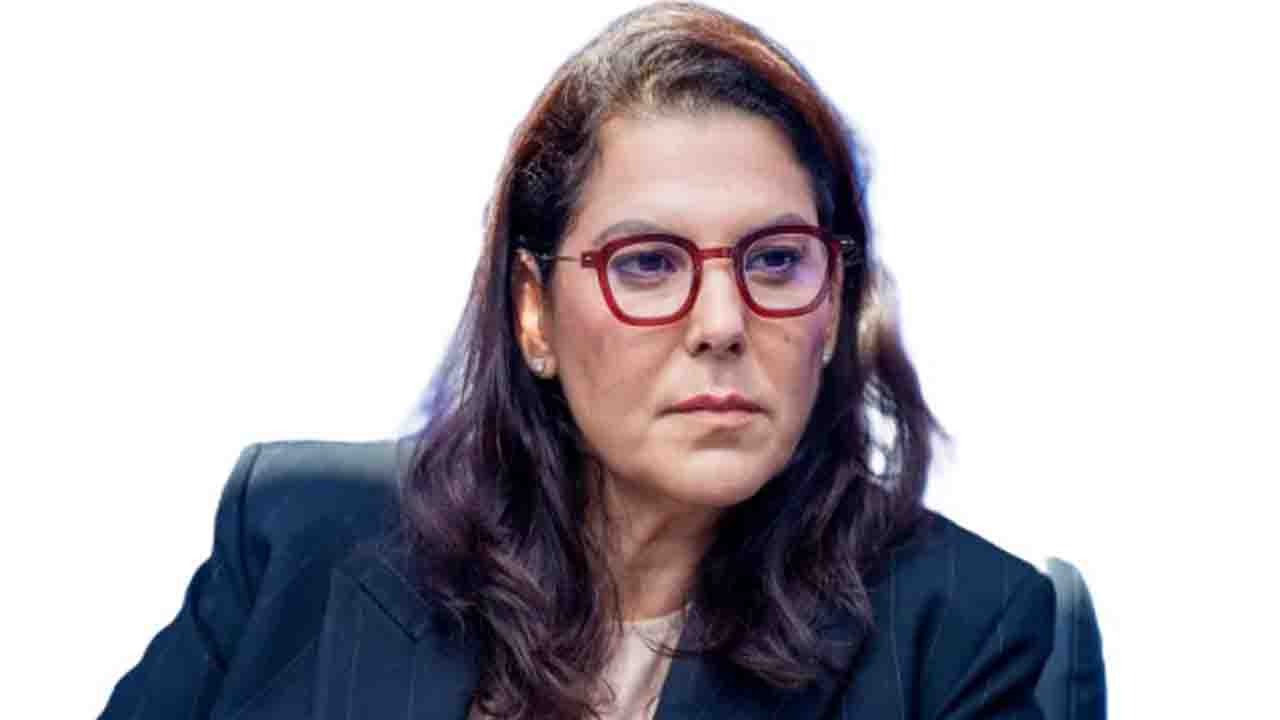

For decades, women across Africa have been pushing against the boundaries of political leadership. They have served as ministers, parliamentarians, mayors, judges, diplomats and heads of state. But sometimes, a political appointment becomes more than an appointment. It becomes a symbol of how far a society has travelled.
On September 29, 2026, Morocco reached one of those moments.
King Mohammed VI appointed Fatima Ezzahra El Mansouri as Head of Government, making her the first woman in Morocco’s history to lead the government.
For Moroccan women, it is a historic milestone.
For Africa, it is another reminder that the question is no longer whether women can occupy the highest levels of political leadership.
The question is how many more women will get the opportunity.
From Marrakech to the Top of Government
El Mansouri’s appointment did not come out of nowhere. She has spent years building a political career.
Born in Marrakech in 1976, she trained as a lawyer and specialised in property and land law. She entered politics after working as an attorney and became Morocco’s first woman mayor of Marrakech in 2009. She later returned to the position in 2021.
Her career also took her into national government.
In 2021, she was appointed Minister of National Planning, Urban Planning, Housing and Urban Policy. During her time in government, her responsibilities included housing and urban development, as well as reconstruction efforts following Morocco’s devastating 2023 earthquake.
She also rose within the Authenticity and Modernity Party, known as PAM, becoming part of its collective leadership and serving as its coordinator from 2024. Her journey therefore represents more than a woman suddenly reaching the top.
It represents years of political experience, public administration and leadership.
A Historic Appointment
El Mansouri’s appointment followed Morocco’s September 23 parliamentary elections.
Her PAM party emerged as the largest party, winning 97 of the 395 seats in the House of Representatives. That was not enough for an outright majority, meaning El Mansouri faces the immediate challenge of negotiating a coalition and forming a government.
That will be one of her first major tests.
Being the first woman to hold the position is historic.
But history alone does not make governing easier.
She now has to govern.
And the challenges waiting for her are significant.
The Challenges Ahead
Morocco’s new government will face questions around economic opportunity, youth dissatisfaction, the cost of living and employment.
It will also oversee the final stages of the country’s preparations for the 2030 FIFA World Cup, which Morocco will co-host with Portugal and Spain. The preparations involve a major investment programme and significant infrastructure development.
At the same time, her government will have to navigate coalition politics after PAM won the largest number of seats but fell well short of the 198 seats required for a majority.
El Mansouri has already signalled a willingness to negotiate broadly, saying there would be “no red lines” in coalition talks.
Her first challenge, therefore, may be demonstrating that becoming the first woman to lead Morocco’s government is not simply a symbolic achievement.
It is an opportunity to deliver.
What Her Appointment Means for African Women
There is something powerful about seeing women move into positions where major decisions are made.
Representation matters.
A young girl watching political news should be able to see women not only as voters, activists or supporters, but as people making decisions about economies, infrastructure, education, healthcare, security and national development.
El Mansouri’s appointment adds another name to a growing list of African women who have reached the highest levels of political leadership.
But representation should not become the end of the conversation.
A woman reaching the highest office does not automatically mean that the barriers facing millions of other women have disappeared.
The real question is whether her presence creates more opportunities for women to participate in decision-making at every level.
The Importance of the First
Every first carries a responsibility.
The first woman in a particular position is often judged not only as an individual, but as a representative of everyone who comes after her.
That can be unfair.
A male politician can fail without anyone saying, “Perhaps men are not suited for politics.”
Women are often not afforded the same luxury.
That is why El Mansouri’s success should ultimately be measured by the same standard applied to any political leader:
Can she govern effectively?
Can she build coalitions?
Can she respond to economic pressures?
Can she create opportunities for young people?
Can she deliver better public services?
Can she turn political authority into meaningful outcomes for ordinary citizens?
Those are the questions that will define her leadership.
A Moment for Morocco and Africa
Fatima Ezzahra El Mansouri’s appointment is historic because she is the first woman to lead Morocco’s government.
But perhaps the bigger story is what happens next.
Her appointment should not be treated simply as evidence that women have finally been “allowed” into the room.
African women have always been contributing to their communities, economies and societies.
The challenge has been getting more of them into the rooms where the biggest decisions are made.
From local government to national parliaments, from boardrooms to ministries, from entrepreneurship to diplomacy, Africa needs more women participating in decisions that shape its future.
Morocco has now opened another door.
The question is:
Who will walk through the next one?
And perhaps even more importantly:
How many African women are we preparing to lead when they get there?