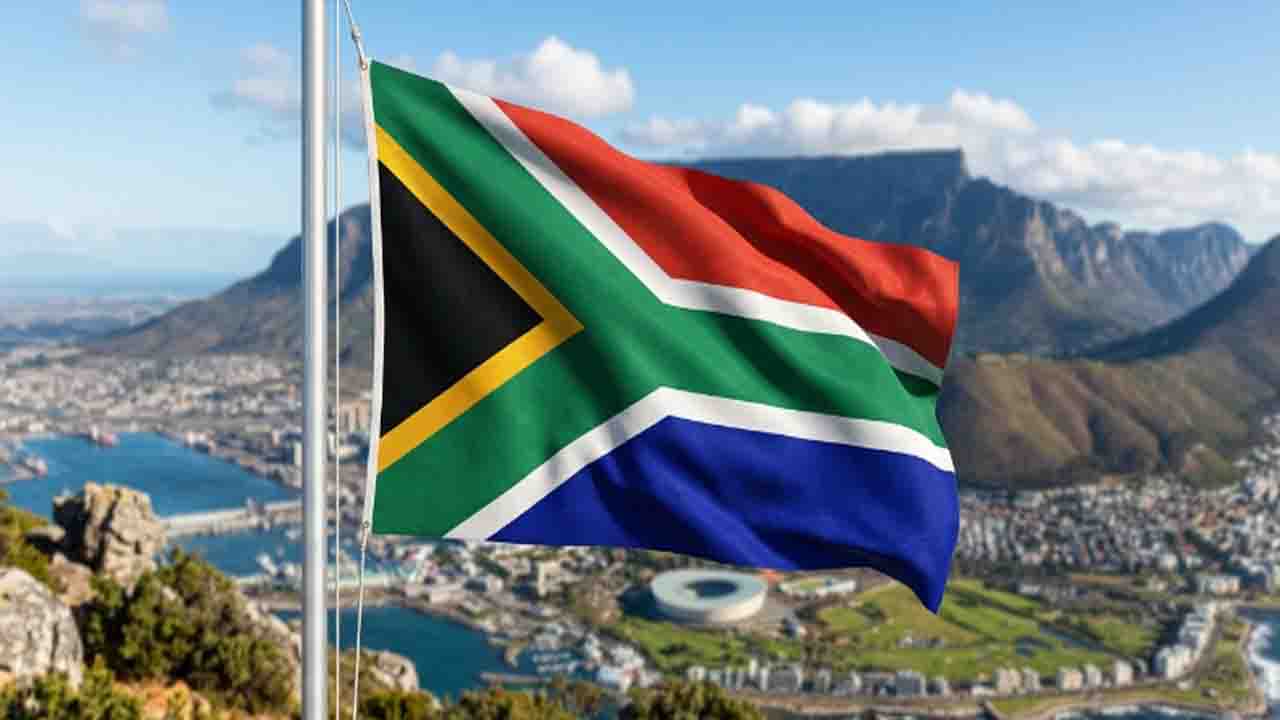

South Africa is often regarded as one of Africa’s economic powerhouses. It boasts sophisticated financial institutions, world-class infrastructure, a thriving private sector, and some of the continent’s largest multinational companies. Yet behind this economic success lies a troubling reality: South Africa has the highest measured level of income inequality in the world.
According to the World Bank, South Africa ranks as the world’s most unequal country based on the Gini coefficient, a widely used measure of income inequality. This stark contrast raises an important question: how can one of Africa’s largest economies also have one of the widest gaps between rich and poor?
Understanding Income Inequality
Income inequality refers to the uneven distribution of wealth and earnings among individuals within a country.
Economists commonly measure inequality using the Gini coefficient, where:
- 0 represents perfect equality, with everyone earning the same income.
- 100 represents perfect inequality, where one person earns everything while everyone else earns nothing.
South Africa’s Gini coefficient of approximately 67 places it at the top of global inequality rankings, highlighting an exceptionally wide gap between the country’s wealthiest citizens and its poorest communities.
The Legacy of Apartheid
One of the primary reasons for South Africa’s inequality is its history.
For nearly five decades, the apartheid system legally enforced racial segregation and denied the majority of Black South Africans equal access to education, quality healthcare, land ownership, employment opportunities, and economic participation.
Although apartheid officially ended in 1994, its effects continue to shape South African society today.
Communities that were historically disadvantaged still face significant challenges, while wealth accumulated during previous generations often remains concentrated among a relatively small portion of the population.
High Unemployment
South Africa also struggles with one of the highest unemployment rates in the world.
Youth unemployment is particularly severe, leaving millions of young people unable to secure stable employment despite completing their education.
Without regular income, many households remain trapped in poverty, making it difficult to improve living standards or build wealth across generations.
Unequal Education
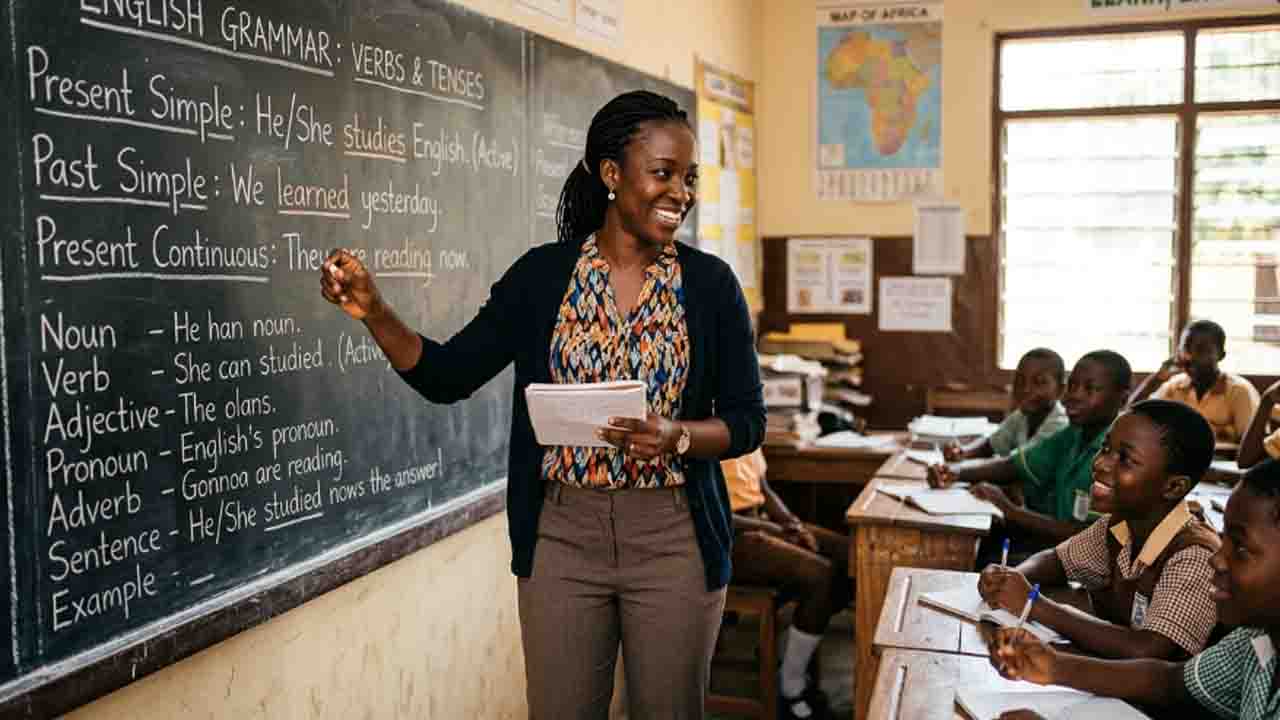
Education remains another major contributor to inequality.
While South Africa has excellent universities and well-resourced private schools, many public schools particularly in poorer communities continue to face shortages of qualified teachers, learning materials, and modern facilities.
This educational divide creates unequal opportunities in the labour market.
Students from wealthier backgrounds often secure better jobs, while those from disadvantaged communities struggle to compete for high-paying positions.
Wealth Concentration
Income is only one part of the inequality story.
Wealth including land, property, investments, and business ownership is even more unevenly distributed.
A relatively small percentage of South Africans own a large share of the country’s assets, while many families have little or no accumulated wealth.
This makes it harder for poorer households to invest in education, start businesses, or recover from financial setbacks.
Two Different Realities
Perhaps nowhere is inequality more visible than in South Africa’s cities.
Modern business districts, luxury estates, and affluent suburbs often exist only a short distance from informal settlements where residents lack adequate housing, sanitation, and reliable public services.
These contrasting realities illustrate that economic growth alone does not guarantee shared prosperity.
Why This Matters
High levels of inequality affect more than just household incomes.
Research has shown that countries with significant inequality often experience:
- Higher crime rates.
- Greater social tension.
- Lower social mobility.
- Slower long-term economic growth.
- Reduced trust in public institutions.
When large segments of the population cannot fully participate in the economy, the country’s overall potential is limited.
Efforts to Reduce Inequality
The South African government has introduced numerous programmes aimed at addressing inequality, including:
- Social grants for vulnerable households.
- Expanded access to education.
- Public healthcare initiatives.
- Black Economic Empowerment (BEE) policies designed to increase economic participation among historically disadvantaged groups.
- Investments in housing and infrastructure.
While these initiatives have helped reduce extreme poverty for many families, experts agree that much more needs to be done to tackle unemployment, improve education, and create inclusive economic growth.
Lessons for Africa
South Africa’s experience offers important lessons for other African countries.
Economic growth alone is not enough. A nation can have thriving industries, strong financial markets, and growing businesses while still leaving millions of citizens behind.
Inclusive growth requires investment in quality education, job creation, entrepreneurship, healthcare, and equal access to opportunities.
Governments, businesses, and civil society must work together to ensure that prosperity is shared more broadly across society.
Conclusion
South Africa remains one of Africa’s most dynamic economies, but it also serves as a reminder that development is about more than GDP or investment figures.
Reducing inequality requires long-term commitment, effective public policy, and sustained efforts to create opportunities for all citizens.
As South Africa continues to address the legacy of its past while building its future, its journey will provide valuable lessons for countries across Africa seeking not only economic growth but also greater fairness, inclusion, and shared prosperity.