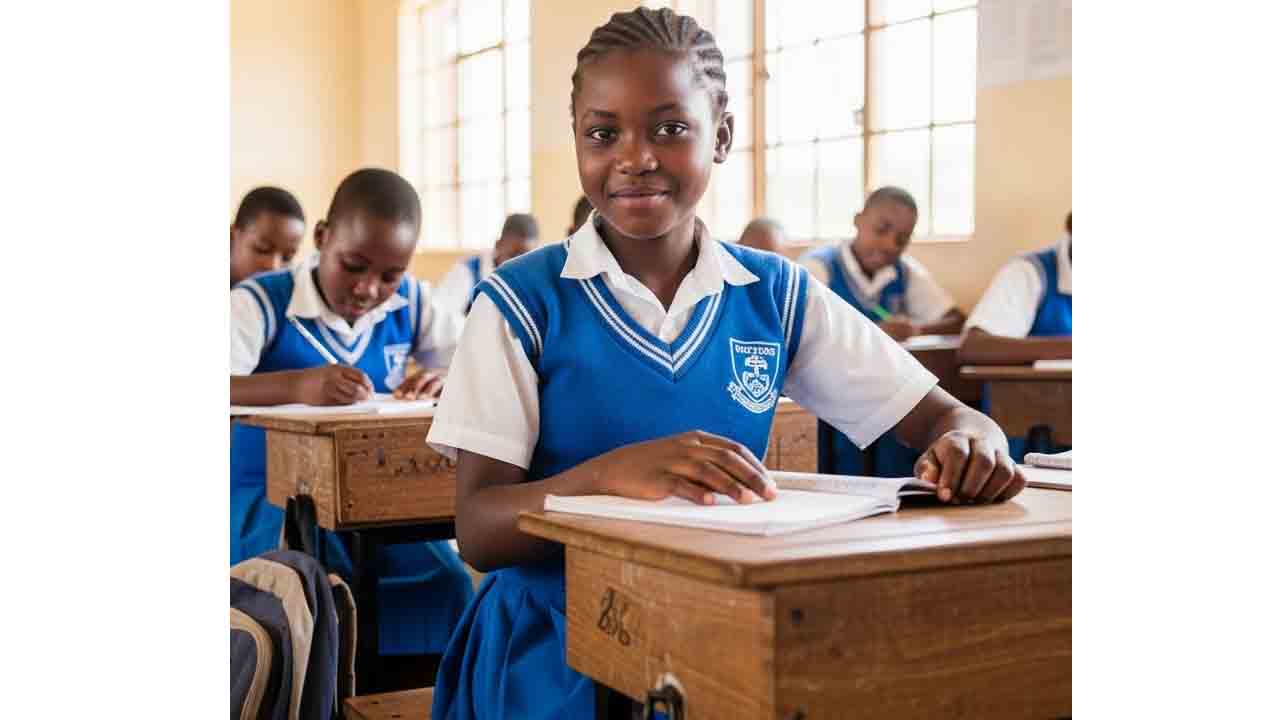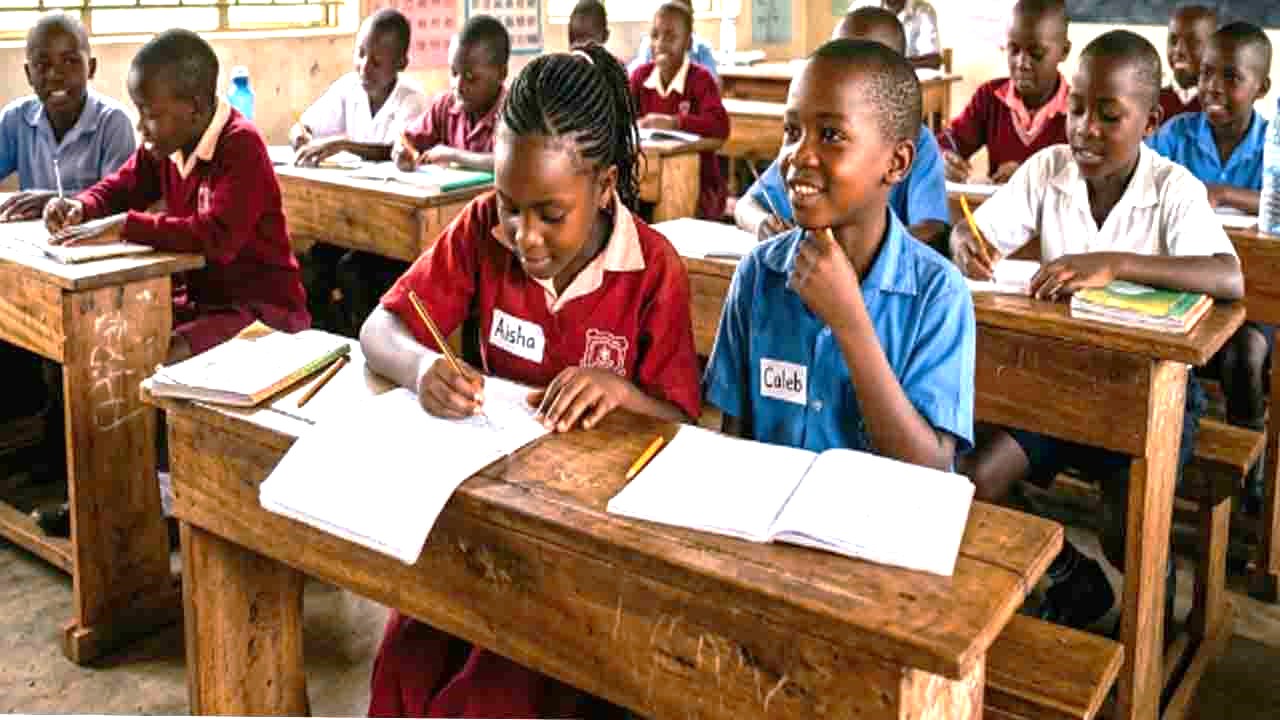

Nigeria’s education sector is facing a serious learning crisis. According to the United Nations Children’s Fund (UNICEF), only one in four Nigerian schoolchildren can read proficiently and solve basic mathematics problems by the age of 14. The revelation has sparked concern among educators, parents, policymakers, and development partners across the country.
The statistic, highlighted by UNICEF’s Chief of the Lagos Field Office, Celine Lafoucriere, paints a troubling picture of the state of foundational learning in Africa’s most populous nation. While millions of children are enrolled in school, many are not acquiring the basic literacy and numeracy skills necessary for success in life.
The Learning Crisis Beyond School Enrollment
For years, efforts to improve education in Nigeria have largely focused on increasing school enrollment. While this remains important, experts argue that simply getting children into classrooms is no longer enough.
The UNICEF finding suggests that a significant number of children spend years in school without mastering essential reading and mathematics skills. This phenomenon, often referred to as “learning poverty,” means children may attend school regularly but still struggle to understand simple texts or perform basic calculations.
The issue is particularly concerning because literacy and numeracy form the foundation upon which all future learning is built. Without these skills, children face challenges in secondary education, employment, and participation in society.
Why Are Children Falling Behind?
Several factors contribute to Nigeria’s learning crisis:
1. Teacher Shortages and Training Gaps
Many schools, especially in rural communities, suffer from shortages of qualified teachers. In some cases, teachers lack access to modern teaching methods and continuous professional development opportunities.
2. Overcrowded Classrooms
Public schools in many parts of Nigeria are overwhelmed by large student populations. Teachers often struggle to provide individual attention, making it difficult to identify and support struggling learners.
3. Poverty and Economic Challenges
Children from low-income families often face barriers to learning, including poor nutrition, inadequate learning materials, and irregular school attendance due to economic pressures.
4. Insecurity and School Disruptions
Conflict, kidnapping, and insecurity in parts of the country have disrupted education for thousands of children. Some schools have been forced to close, while parents fear sending their children to school.
5. Limited Early Childhood Education
Research consistently shows that children who receive quality early childhood education perform better academically. Unfortunately, access to preschool education remains limited for many Nigerian families.
The Impact on Nigeria’s Future
The consequences of poor learning outcomes extend far beyond the classroom.
A generation of young people lacking foundational skills could affect Nigeria’s economic growth, innovation capacity, and competitiveness. Employers increasingly seek workers who can communicate effectively, solve problems, and adapt to changing technologies.
When children fail to develop basic literacy and numeracy skills, the cycle of poverty can become more difficult to break. This disproportionately affects girls, children with disabilities, and those living in marginalized communities.
What Can Be Done?
Addressing the learning crisis requires a coordinated effort involving government, schools, communities, parents, and development organizations.
Experts recommend:
- Investing in teacher recruitment and training.
- Improving access to quality learning materials.
- Expanding early childhood education programs.
- Strengthening literacy and numeracy interventions in primary schools.
- Increasing education funding and accountability.
- Encouraging parental involvement in children’s learning.
- Leveraging technology to support teaching and learning.
A Call to Action
UNICEF’s warning should serve as a wake-up call for all stakeholders. The challenge is not only about getting children into school but ensuring they learn effectively once they are there.
Every child deserves the opportunity to read, write, calculate, and develop the skills needed to thrive. As Nigeria continues to invest in its future, improving learning outcomes must become a national priority.
The statistic that only one in four schoolchildren can read and solve basic mathematics by age 14 is more than a number it represents millions of young lives whose potential remains unrealized. Addressing this crisis today will help shape a stronger, more prosperous Nigeria tomorrow.