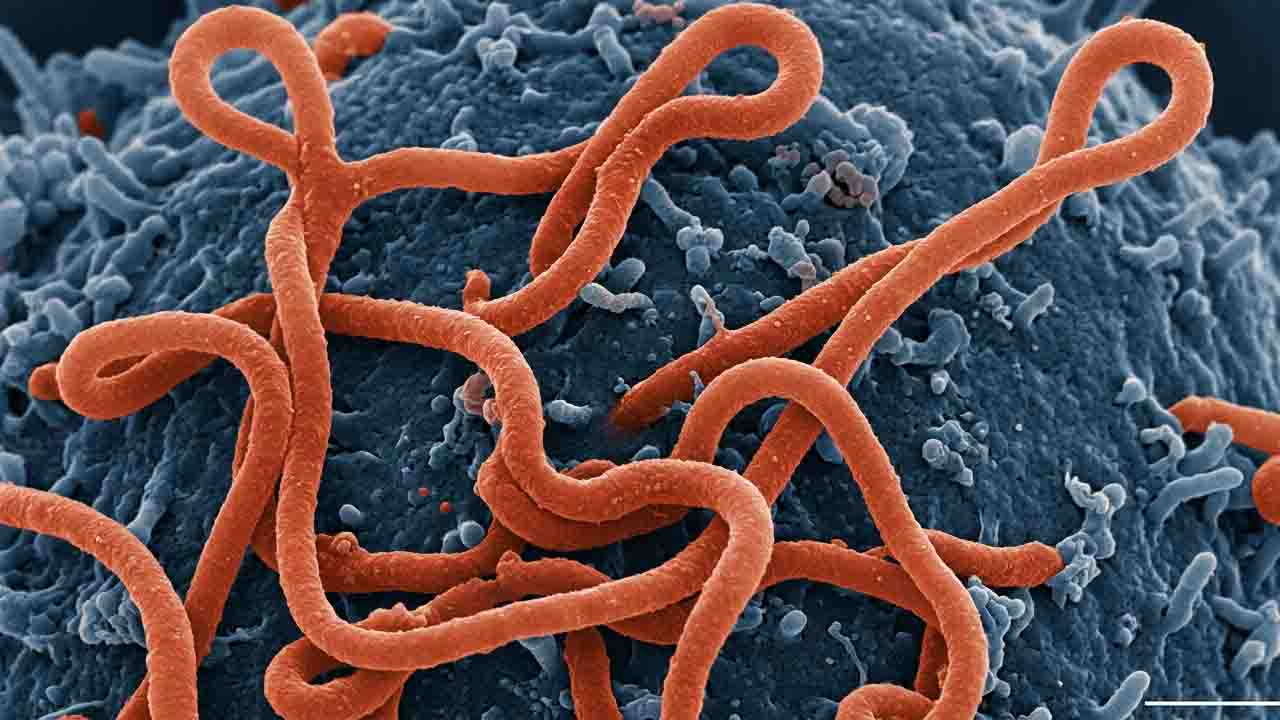

Health authorities have confirmed a new outbreak of Ebola virus disease in the eastern part of the Democratic Republic of the Congo (DRC), which was first was first detected on 24 April 2026. raising concerns across Africa and the international health community.
According to the World Health Organization and local health officials, the outbreak has been detected in Ituri Province in eastern DRC, with cases also being monitored near border regions because of travel and movement between countries.
The outbreak involves the Bundibugyo strain of Ebola, a less common strain of the virus that currently has no widely approved vaccine specifically designed for it. Health teams are working to trace contacts, isolate cases, and prevent further spread.
When Was Ebola First Discovered?
Ebola was first discovered in 1976 near the Ebola River in what is now the Democratic Republic of the Congo. The virus was identified during simultaneous outbreaks in Sudan and Congo, marking the beginning of one of the world’s deadliest infectious diseases.
Since its discovery nearly 50 years ago, Ebola outbreaks have killed more than 15,000 people across Africa, according to global health data from the World Health Organization and the Centers for Disease Control and Prevention.
The deadliest outbreak occurred in West Africa between 2014 and 2016, mainly affecting Guinea, Liberia, and Sierra Leone. That outbreak alone caused more than 11,000 deaths and infected tens of thousands of people.
What Is Ebola?
Ebola is a severe and often deadly disease caused by a virus that spreads through direct contact with the blood, body fluids, or contaminated materials of an infected person.
The disease has a high fatality rate, but early treatment and supportive medical care can improve survival chances.
What Are the Symptoms of Ebola?
Symptoms usually appear between 2 and 21 days after exposure to the virus. Early symptoms can look similar to malaria, typhoid, or flu, which sometimes makes early detection difficult.
Common symptoms include:
- Sudden fever
- Severe headache
- Muscle and joint pain
- Weakness and fatigue
- Sore throat
- Vomiting
- Diarrhea
- Stomach pain
- Loss of appetite
As the illness becomes more severe, some patients may experience:
- Bleeding from the nose, gums, or eyes
- Blood in vomit or stool
- Difficulty breathing
- Organ failure
Health experts stress that not every fever is Ebola, but anyone showing symptoms after contact with a suspected patient should seek medical attention immediately.
How Ebola Spreads
Ebola does not spread through the air like the common cold. It spreads through:
- Direct contact with infected blood or body fluids
- Touching contaminated clothing, bedding, or surfaces
- Caring for infected patients without protective equipment
- Contact with bodies during burial rituals
- Contact with infected animals such as bats or primates
Preventive Measures People Should Take
Health authorities are urging the public to remain calm but cautious. Preventive steps include:
Wash Hands Frequently
Regular handwashing with soap and clean water or using alcohol-based sanitizer can reduce the risk of infection.
Avoid Contact With Sick Individuals
Do not touch bodily fluids or personal items of anyone showing Ebola symptoms.
Report Symptoms Early
Early medical care increases the chances of survival and helps stop the spread of the virus.
Avoid Handling Dead Bodies Without Protection
Traditional burial practices involving physical contact with the deceased can increase transmission risk.
Follow Public Health Advice
People should pay attention to official updates from health authorities and avoid spreading unverified information online.
Practice Food Safety
Avoid consuming bushmeat or handling wild animals that may carry the virus.
Why This Outbreak Matters
The DRC has experienced several Ebola outbreaks in the past, but health officials say quick response and public awareness are critical to preventing a larger crisis.
International health agencies are supporting local authorities with medical teams, surveillance, and emergency response measures.
While there is no reason for panic, experts emphasize that awareness, hygiene, and early reporting remain the strongest tools in controlling Ebola outbreaks.
As health officials continue efforts to contain the virus, communities are being encouraged to stay informed, protect themselves, and support measures aimed at preventing further spread.