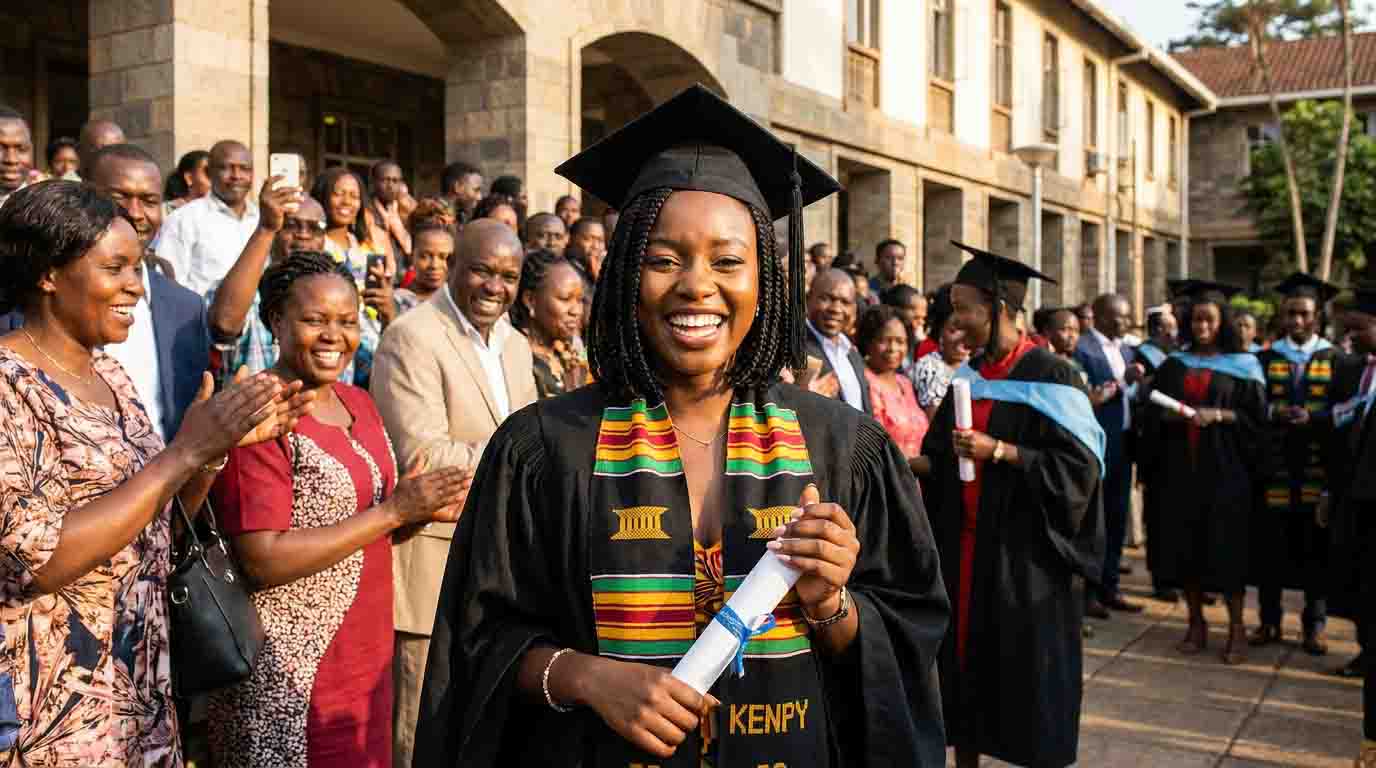

Across Africa, there’s a quiet but powerful shift happening. For decades, success was defined by one path: go to school, get a degree, find a white-collar job. But today, more women are rewriting that narrative and winning on their own terms.
The truth is simple: a degree is valuable, but it is not the only path to success. Skills are.
Rethinking What “Success” Looks Like
For many women, especially in fast-growing economies across Africa, the traditional route is no longer the most practical or the most empowering.
University education can be:
- Expensive
- Time-consuming
- Misaligned with real market needs
Meanwhile, industries are evolving quickly. What the market needs today are people who can do things not just people who have studied them. This is where skills come in.
The Rise of Skill-Based Empowerment
From tailoring and hairdressing to plumbing, electrical work, digital marketing, and content creation—women are stepping into spaces that were once overlooked or even discouraged.
And they are not just participating they are leading.
Just4WomenAfrica has highlighted countless women who:
- Started with little or no formal education
- Learned a practical skill
- Built sustainable businesses
- Created jobs for others
These are not exceptions. They are becoming the new normal.
Why Skills Matter More Than Ever
1. Immediate Income Potential
Skills can be monetized quickly. You don’t need to wait four years to start earning you can start now.
2. Independence and Control
When a woman has a skill, she has options. She is not completely dependent on the job market or anyone else.
3. Adaptability
Skills evolve. A woman who learns one skill can build on it, expand, and pivot as the world changes.
4. Closing the Unemployment Gap
In many African countries, graduate unemployment is rising. Skills provide an alternative path one that is often more aligned with real demand.
Breaking the Stigma
One of the biggest barriers is perception.
There is still a lingering belief that:
- Vocational work is “less prestigious”
- Skills-based careers are a “fallback” option
But reality is proving otherwise.
A skilled fashion designer, makeup artist, content creator, or electrician can earn as much or more than someone in a traditional office role.
It’s time to stop asking:
“Do you have a degree?”
And start asking:
“What can you do?”
Skills + Education = Even More Power
This is not about dismissing education. Degrees still matter in many fields medicine, law, engineering, and more.
But for many women, the smarter approach is:
- Skills first, education as a complement not a requirement
A woman with both knowledge and practical ability is unstoppable.
A Call to Action
If you are a woman reading this:
- Don’t feel limited by what you don’t have
- Focus on what you can learn
- Invest in skills that solve real problems
If you are a parent, policymaker, or organization:
- Support skill-based training
- Normalize vocational excellence
- Create platforms for women to thrive
Initiatives like skills labs, mentorship programs, and digital training are not just helpful they are necessary.
Final Thought
The future belongs to those who can create, build, solve, and adapt.
Degrees open doors but skills build houses.
And across Africa, women are no longer waiting for opportunities.
They are creating them with their hands, their minds, and their courage.
Skills are not second-class. Skills are power.


